

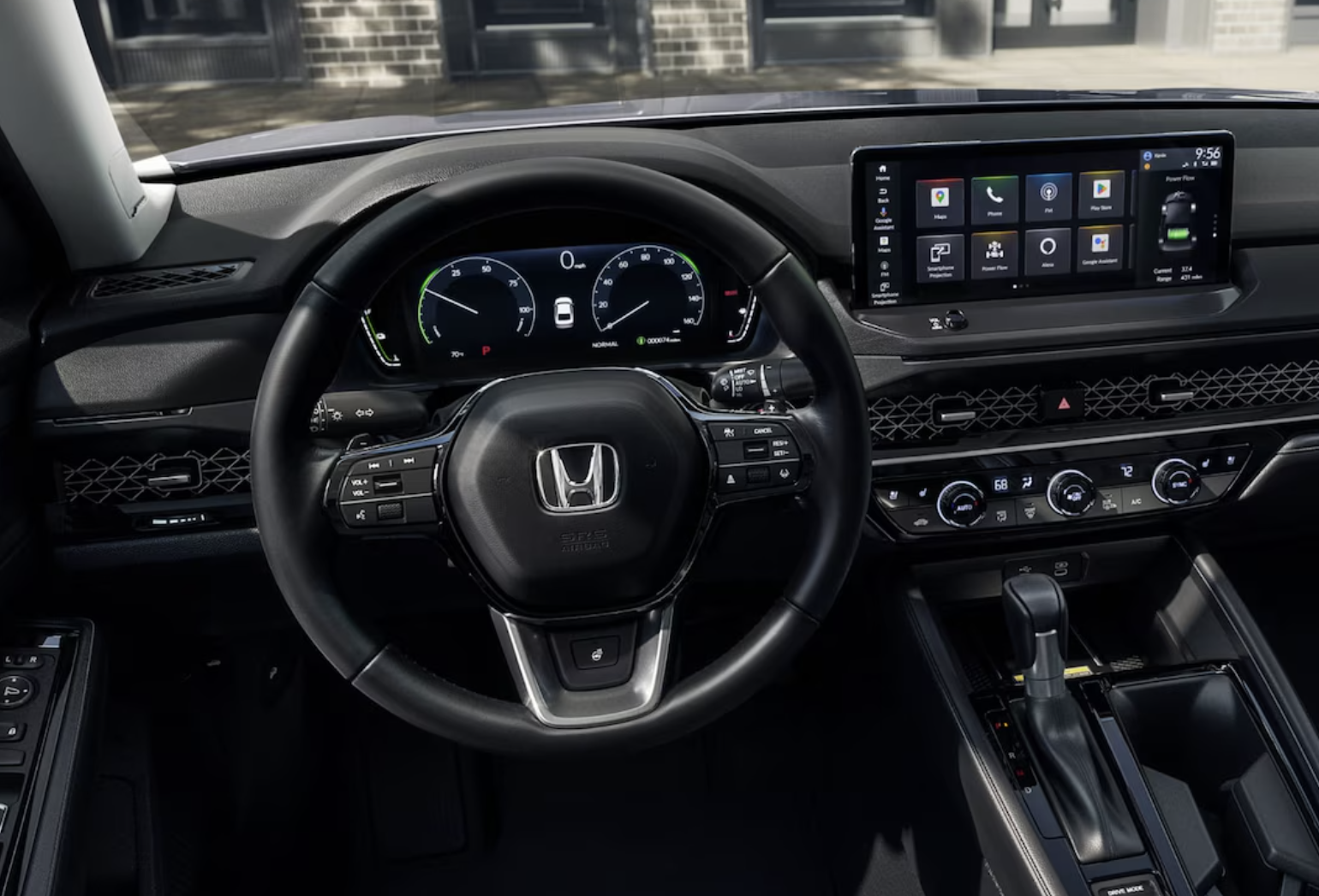
Honda’s Vehicle Stability Assist (VSA) technology is an advanced system designed to help enhance a vehicle’s stability and control during challenging driving conditions. This sophisticated technology is just one of Honda’s advanced systems that help keep drivers safe. Let’s take a closer look.
What is Vehicle Stability Assist (VSA)?
Vehicle Stability Assist is a vehicle safety feature designed to prevent skidding and improve handling while cornering. It uses sensors to detect when the car is losing traction or stability—such as in slippery conditions or during sharp turns—and applies selective braking to individual wheels. This helps the driver maintain control and prevents the car from skidding or fishtailing.
When Was Honda VSA First Developed?
Honda introduced Vehicle Stability Assist in 1997. It was first made available on the Honda Legend (known as the Acura RL in North America), and it became a standard feature on many of their models in the following years. VSA was developed to complement other safety technologies, such as anti-lock brakes (ABS) and traction control.
How Does Honda VSA Work?
VSA operates by integrating several sensors, including yaw rate sensors, steering angle sensors, and wheel speed sensors, to monitor the vehicle’s behavior in real-time. Here’s how the system works in detail:
- Detection: The sensors continuously monitor the car’s movement. If the system detects a difference between the driver’s intended path (based on steering input) and the car’s actual direction (due to skidding, oversteering, or understeering), it activates.
- Braking: Once instability is detected, VSA can automatically apply braking to one or more wheels to help regain control. For example, if the vehicle is oversteering (turning too much), the system may brake the outer wheels to prevent the car from spinning. If the vehicle is understeering (not turning enough), the system can brake the inner wheels to help steer the car back on course.
- Engine Power Reduction: In some cases, VSA will also reduce engine power to help slow down the vehicle and regain traction.
By actively managing braking and engine output, VSA helps drivers maintain control in emergency situations or when driving on slippery surfaces like wet roads or ice.
Do all Hondas Have VSA?
VSA is a standard feature on most newer Honda models, but not all Hondas are equipped with it. It’s typically available on higher-end trims and models. However, since 2014, Honda has made VSA a standard feature on nearly all of their vehicles, especially in the United States, where safety features like VSA have become increasingly common in response to consumer demand for improved safety.
What Does It Mean When The VSA Light Is On?
When the VSA icon lights up on your Honda’s dashboard, it generally indicates that the system has been deactivated or is experiencing an issue. Here’s what it typically means:
1. VSA is turned off manually:
If you or someone in the car turned off the VSA system using the VSA button (usually located near the dashboard or center console), the VSA icon will light up. This is normal, and it simply means the system is temporarily disabled. Drivers might turn off VSA when driving in specific conditions, such as heavy snow, mud, or sand, where the system might interfere with the natural wheel spin needed to move the vehicle.
2. VSA is actively working:
In some cases, the VSA icon might flash while the system is actively intervening, helping to maintain stability by applying braking to specific wheels or reducing engine power. This is typically a sign that the system is engaged and working to keep the car stable. It should flash intermittently while the system is active.
3. A problem with the VSA system:
If the VSA light remains solid (without flashing) after starting the car, it could indicate a malfunction or issue with the system. This could be due to a problem with one of the sensors, the VSA module, or related components like the ABS (Anti-lock Braking System). In this case, you should have the vehicle inspected by a Honda dealer or a qualified mechanic as soon as possible to diagnose and resolve the issue.
4. Check engine light and VSA light together:
If the VSA light comes on along with the check engine light, it might be related to a broader issue with the vehicle’s electronic systems, such as a malfunction in the engine or transmission, which could affect the VSA system. Again, it’s best to have the car checked to determine the cause.
Honda Maintenance Denver
If it’s time for your Honda’s routine maintenance or you have a special issue you need addressed, visit our Denver Honda dealership. Our techs are highly trained professionals certified to address any and all issues with your Honda. Go online today to schedule your service, and be sure to check out our Service Deals page!
Connect with us


