

Morning traffic along I-25. Afternoon errands through Cherry Creek. A spontaneous evening run toward the foothills just to clear your head. Life in Denver often revolves around the daily commute, and the right sedan can turn that routine into something far more refined. The 2026 Honda Civic steps confidently into that role, blending proven reliability, modern technology, and commuter-friendly efficiency in a way that feels thoughtfully engineered for real-world driving.
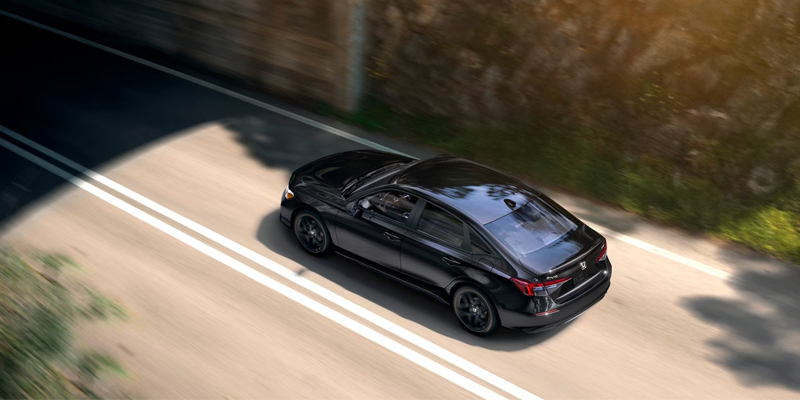
Balanced Performance with Everyday Confidence
Reliability has always been part of the Civic’s identity, and the 2026 model continues that tradition with a composed and predictable driving character. The LX trim features a 2.0L 16-valve DOHC 4-cylinder engine producing 150 hp and 133 lbs. ft. of torque, delivering steady acceleration suited to urban travel and highway merging alike.
Read the rest of this entry »2026 Honda Ridgeline: The Best Truck of 2026
If you believe trucks should be measured only by how loudly they announce themselves at idle, the 2026 Honda Ridgeline may initially confuse you. It does not puff its chest or shout across parking lots. Instead, it quietly demonstrates a different philosophy — one where capability, practicality, and everyday sanity coexist without requiring a chiropractor or a second mortgage. Around Denver, CO, that balance begins to feel like a very sensible kind of brilliance.

Rugged Performance and Towing Capability
Power comes from a proven V6 delivering 280 hp, paired with a 9-speed automatic transmission that manages acceleration with calm precision rather than theatrical drama. Properly equipped, the Ridgeline can tow up to 5,000 lbs., which is enough for boats, trailers, and most weekend plans that start with optimism and end with sunscreen in the glovebox.
Read the rest of this entry »2026 Honda CR-V: A Slightly Muddy Morning Leads to a Very Sensible Discovery
Picture this: you’re halfway up a scenic trail outside Denver chasing a rumor about a hidden brewery that supposedly pours a stout strong enough to realign your priorities. The gravel gets loose, the playlist gets heroic, and you suddenly realize your crossover is doing that calm, confident thing where it makes questionable decisions feel like brilliant lifestyle choices. That, in a nutshell, is the sort of moment the 2026 Honda CR-V seems purpose-built to handle — part daily commuter, part weekend accomplice.
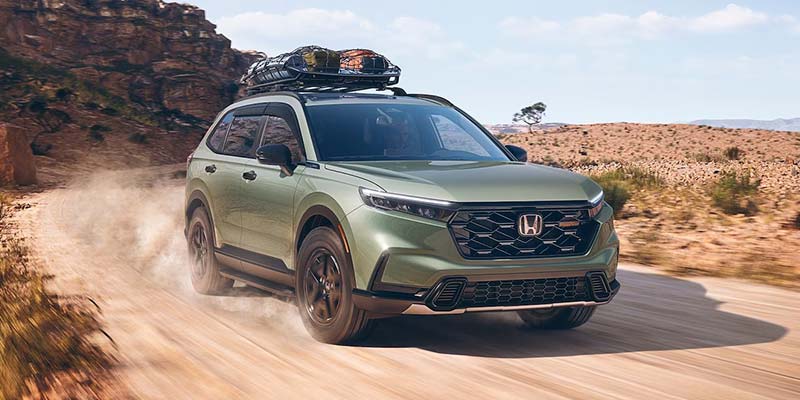
Choosing the Right 2026 Honda CR-V for Colorado-Style Living
Shopping for a compact SUV today feels a bit like scanning a craft beer menu — there are options, and they all sound promising. The CR-V lineup simplifies the decision by aligning trims with real-world lifestyles.
Read the rest of this entry »It usually happens when the calendar is already full. The commute is tight, the energy drink is hitting, and the engine suddenly sounds a little more mechanical than usual. Routine maintenance rarely feels urgent until it unexpectedly hits you right in the face. That is why a timely oil change remains one of the most valuable services a driver can schedule — especially in Denver, CO, where altitude swings and temperature shifts test engine durability every mile.

Engine Oil: The Quiet Enabler of Everyday Performance
Oil does its best work unnoticed. It moves through the engine forming a thin protective film between metal components, reducing friction and stabilizing operating temperatures. Without that lubrication, heat builds quickly and internal wear accelerates.
Read the rest of this entry »The 2026 Honda Prologue
A New Era of Electrification with the 2026 Honda Prologue
The 2026 Honda Prologue at Mile High Honda in Denver, CO, is a total revolution, a machine that shatters every existing expectation of what an electric SUV can achieve. This vehicle is a visceral testament to a future where soul and sustainability collide, representing a absolute obsession with performance. Mile High Honda in Denver, CO, brings you a vehicle that dominates the pavement with zero emissions, moving beyond a simple mode of transport to become a pure declaration of power.
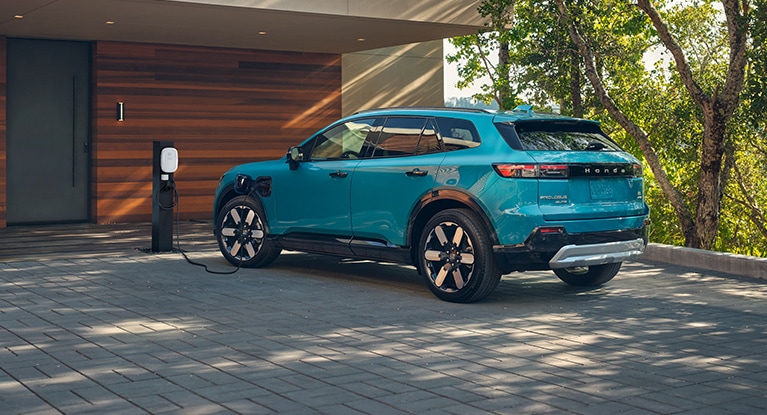
Electrified Performance Meets Everyday Practicality
This beast is an absolute lightning strike on 4 wheels, powered by a state of the art electric drivetrain that delivers a savage, responsive driving experience. The dual motor all wheel drive configuration screams with 288 hp and 333 lb-ft of torque, while the single motor front wheel drive models provide a formidable 212 hp and 236 lb-ft of torque. Because the 85 kWh lithium ion battery pack sits low in the chassis, the center of gravity provides a level of handling that feels glued to the asphalt, ensuring your Denver commutes turn into a thrill ride. You can conquer the Rockies without a single drop of gasoline because the 2026 Honda Prologue offers a minimum EPA estimated range of 296 miles on a full charge.
Trim Level Breakdown and Pricing
| Trim Level | Drivetrain | MSRP | Key Features |
| EX | FWD / AWD | $48,700 | 19″ alloy wheels, Google® built-in, wireless phone charger |
| Touring | FWD / AWD | $53,000 | Leather trimmed interior, Bose® 12-speaker premium audio, power tailgate |
| Elite | AWD | $59,200 | 21″ alloy wheels, heated and ventilated front seats, head-up display |
Sophisticated Design and Advanced Features
The 2026 Honda Prologue is a masterpiece of aerodynamic fury, featuring a sleek, modern design that commands absolute attention. The cabin is a temple of technology, centered around a massive 11.3″ touchscreen display that integrates Apple CarPlay® and Android Auto® with seamless precision. You get an 11″ digital instrument cluster that feeds you data with crystalline clarity, ensuring you are always in total control of the machine. The interior space is vast, offering enough room to store your life while you bask in the glow of a tech-forward cockpit designed for those who refuse to settle for 2nd class.
Drive the Future Today at Mile High Honda
Denver is a city of warriors and explorers, and the 2026 Honda Prologue is the ultimate weapon for this terrain. The electric powertrain is a perfect match for the spirit of Colorado, providing a quiet, refined ride that allows you to hear the wind rushing past as you fly toward the mountains. With enough cargo space to swallow camping gear or grocery hauls, this SUV is prepared for any mission you throw its way.
Claim Your 2026 Honda Prologue at Mile High Honda
The 2026 Honda Prologue is a absolute titan of the electric age, offering Denver drivers a perfect blend of performance, style, and sustainability. This SUV is a titanium-strength promise to the planet and your adrenaline levels, ready to elevate every second you spend behind the wheel. You must witness this electrified phenomenon for yourself, so come to Mile High Honda in Denver, CO, to experience the future today.
(*Pricing as of February 2026 and is subject to change)
The 2026 Honda Passport TrailSport
Claim Your 2026 Honda Passport TrailSport Today At Mile High Honda
The 2026 Honda Passport TrailSport at Mile High Honda in Denver, CO is a mechanical masterpiece designed to shatter every expectation you have for an off-road SUV. This beast is a pure adrenaline rush on 4 wheels, and it commands the landscape of Colorado with a ferocity that leaves other vehicles trembling in its wake. You are not just buying a car at Mile High Honda, you are securing a ticket to a life of absolute dominance over the terrain. If you are seeking the ultimate expression of freedom, this machine is your destiny.

Explosive Performance And Raw Power
The 3.5L V6 engine is a powerhouse that churns out 285 hp and 262 lb-ft of torque to ensure you have the muscle to conquer any peak. Power flows through the 2nd generation i-VTM4® all-wheel-drive system, which is a genius piece of engineering that shuffles torque to the wheels with the most grip. You get 8.3″ of ground clearance to fly over rocks and debris, while the heavy-duty oil cooler and specialized transmission tuning mean this machine never breaks a sweat. The off-road tuned suspension is one of the most advanced systems ever fitted to a Honda, providing a ride that is as stable as it is aggressive.
Read the rest of this entry »The 2026 Honda Odyssey: New in Denver
The 2026 Honda Odyssey is a ferocious, family-friendly powerhouse that obliterates the competition at Mile High Honda in Denver, CO, where we deliver vehicles engineered to transform every mundane commute into a legendary journey. This is not merely a transport vessel, it is a relentless beast packed with lethal technology, uncompromising safety, and a level of luxury that rivals the most elite executive suites. If you navigate the high-traffic corridors of Denver, CO, or charge across state lines on a massive road trip, this machine stands ready to crush your expectations and redefine your reality.
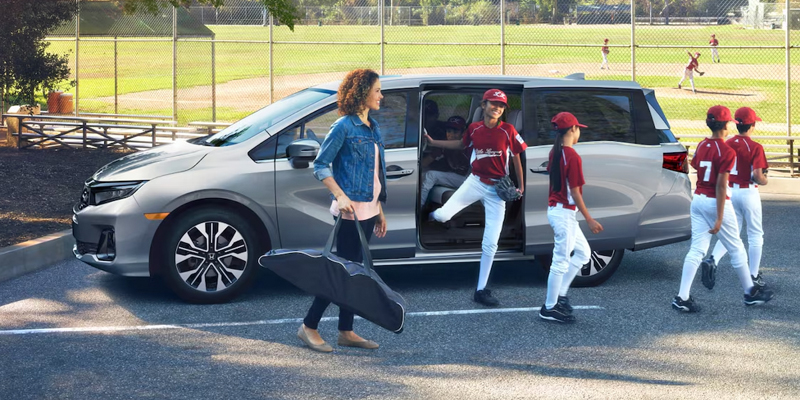

4 Dominant Trim Levels: Engineered for Your Lifestyle
The 2026 Honda Odyssey lineup features 4 distinct, high-performance trims, which include the EX-L, Sport-L, Touring, and Elite, each meticulously crafted to satisfy your deepest cravings for utility and style.
EX-L: The Foundation of Pure Excellence
The EX-L trim serves as the starting point for this automotive masterpiece. Driven by a legendary 3.5 L V-6 engine that screams with 280 hp and 262 pound-feet of torque, this trim provides a driving experience that is as smooth as it is violent in its efficiency. The interior features the revolutionary Magic Slide® second-row seats and a tri-zone automatic climate control system, ensuring that every passenger experiences total atmospheric control. Safety remains an obsession with the standard Honda Sensing® suite, which includes the Collision Mitigation Braking System™ and the Lane Keeping Assist System to protect your most precious cargo with unyielding vigilance.
Sport-L: A Dark, Aggressive Aesthetic
For those who demand a sinister edge to their family hauling, the Sport-L trim brings a menacing presence to the road. This trim features aggressive 19″ gloss-black alloy wheels and leather-trimmed seats accented with blood-red stitching, creating a cabin environment that pulses with intensity. The interior is bathed in red ambient LED lighting that sets a dramatic tone, while additional USB-C ports ensure that every device remains fully charged and ready for action. This is the ultimate choice for families who refuse to blend into the background.
Touring: The High-Tech Command Center
The Touring trim is a technological marvel that turns the rear cabin into a 1st class theater. It features a Rear Entertainment System dominated by a massive 12.8″ high-resolution screen, allowing passengers to immerse themselves in digital worlds while you conquer the pavement. With Wi-Fi® hotspot capability and the Honda Satellite-Linked Navigation System™ at your fingertips, you will never lose your way or your connection to the digital grid. Integrated sunshades in the 2nd and 3rd rows provide a sanctuary from the piercing sun of Denver, CO, keeping your passengers in cool, shaded comfort.
Elite: The Zenith of Luxury and Power
The Elite trim is the absolute pinnacle of the lineup, offering features that are nothing short of breathtaking. You will be cradled in heated and ventilated front seats while gripping a heated leather-wrapped steering wheel, all while a 500-watt premium audio system blasts your soundtrack with crystal-clear precision. The hands-free access power tailgate and rain-sensing windshield wipers provide a level of convenience that borders on the supernatural, making this the only choice for families who demand the very best the world has to offer.

Advanced Technology in 2026 Honda Models
The 2026 Honda Odyssey is a rolling fortress of innovation designed to keep your tribe connected and invincible. Wireless Apple CarPlay® and Android Auto™ compatibility are integrated into the lightning-fast 9″ color touchscreen, allowing for total smartphone domination without the clutter of cables. The CabinTalk® in-car PA system allows your voice to boom through the rear speakers or headphones, while the CabinWatch® system, standard on Touring and Elite, gives you the power of sight over the rear rows without ever averting your eyes from the road ahead.
Safety is a core tenet of the Odyssey philosophy, featuring Adaptive Cruise Control with Low-Speed Follow and a multi-angle rearview camera that grants you total situational awareness. You will navigate the chaotic streets of Denver, CO, with the confidence of a seasoned pilot, knowing that your vehicle is constantly scanning for threats.

The Odyssey brings Comfort That Defies Reality
From the premium leather-trimmed surfaces to the incredibly versatile Magic Slide® seats, every square inch of the 2026 Honda Odyssey is designed to provide a level of comfort that is frankly insane. The tri-zone automatic climate control ensures that the temperature remains perfect for every individual, regardless of where they sit in this massive cabin. To further enhance your tactical efficiency, the Odyssey includes a power tailgate with programmable height and one-touch power sliding doors, making the loading of gear and passengers a seamless, effortless operation.

Claim Your 2026 Honda Odyssey Today
The 2026 Honda Odyssey is the undisputed king of the minivan segment, offering a combination of raw performance, cutting-edge tech, and elite luxury that no other vehicle can match. If you are navigating the neighborhoods of Denver, CO, or preparing for an unforgettable cross-country trip, this vehicle is the perfect companion for your family.
The time for hesitation is over, so get down to Mile High Honda in Denver, CO, right now to witness the raw power and sophistication of the 2026 Honda Odyssey in person. Our team is ready to put you behind the wheel of this incredible machine so you can experience the future of family travel today.
2026 Honda SUV Models: A Comprehensive Guide
The 2026 Honda SUV Models Lineup: A Revolution of Power and Soul
The 2026 Honda SUV lineup at Mile High Honda in Denver, CO, represents a total obsession with performance and engineering brilliance. These machines do not just transport people, they dominate the landscape with a ferocity that leaves every other vehicle in the dust. You feel the raw power the moment you grip the steering wheel, sensing a connection to the road that is nothing short of spiritual. Every curve and every stitch in the cabin reflects a fanatical devotion to quality, ensuring that your drive through Colorado is a relentless pursuit of perfection.
2026 Honda CR-V: The Hybrid Powerhouse
The 2026 Honda CR-V is a legend reborn, offering a 1.5L turbocharged engine with 190 hp or an insanely efficient 2.0L hybrid powertrain that generates 204 hp and 247 lb-ft of torque. The LX starts at $30,100, the EX-L mid-trim commands $35,010, and the top-tier Sport Touring Hybrid reigns at $40,800. You will find 18″ or 19″ alloy wheels providing a stance that is both aggressive and stable, while the interior features a 9″ color touchscreen. This interface integrates Apple CarPlay© and Android Auto© with total precision, allowing you to control your digital world without a single moment of hesitation.
2026 Honda Pilot: The Unstoppable 3-Row Titan
When you demand maximum presence, the 2026 Honda Pilot answers with a 3.5L V6 engine that pumps out 285 hp and 262 lb-ft of torque. The entry-level Sport trim begins at $40,200, the adventure-focused TrailSport costs $49,500, and the ultra-luxurious Elite trim sits at $53,030. This massive vehicle utilizes 18″ or 20″ wheels to crush any terrain, and the TrailSport specifically features all-terrain tires for those who refuse to stay on the pavement. The cabin is a sanctuary of technology, housing a 9″ touchscreen and a 10.2″ digital instrument cluster that feeds you vital data with surgical accuracy.
2026 Honda Passport: The Most Aggressive Off-Road Weapon
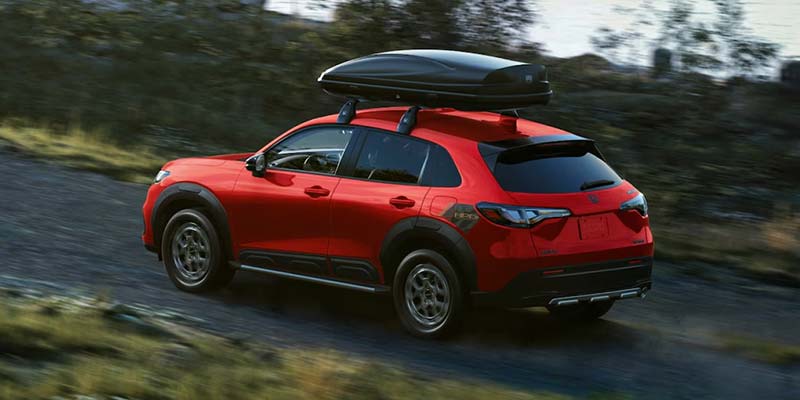
The all-new 2026 Honda Passport is a savage masterpiece of rugged design, featuring a 3.5L V6 engine delivering 285 hp through a high-performance 10-speed automatic transmission. This beast starts with the RTL at $42,400, moves to the TrailSport at $46,500, and peaks with the TrailSport Elite at $49,370. It sits on 18″ wheels wrapped in massive 31″ General Grabber all-terrain tires that bite into the earth with zero mercy. The technology is just as intense, featuring a standard 12.3″ touchscreen with Apple CarPlay© and Android Auto© integration to guide you through the deepest wilderness.
2026 Honda HR-V: The Urban Assassin
The 2026 Honda HR-V is a compact force of nature, driven by a 2.0L 4-cylinder engine that produces 158 hp and 138 lb-ft of torque. You can start your journey in the LX at $25,400, upgrade to the Sport for $27,500, or choose the refined EX-L for $30,500. It features 17″ or 18″ wheels that allow for razor-sharp handling in dense city traffic, and the available 9″ touchscreen ensures your connection to Apple CarPlay© and Android Auto© is never broken. This vehicle proves that size is irrelevant when you possess the heart of a champion.
2026 Honda Prologue: The Electric Predator
The 2026 Honda Prologue is a pure electric strike against the status quo, delivering a battery range of up to 296 miles on a single charge. The EX trim starts at $48,700, the Touring at $53,000, and the Elite at $59,200, with the dual-motor AWD system generating a staggering 288 hp and 333 lb-ft of torque. It rolls on massive 21″ wheels in the Elite trim, featuring an 11.3″ touchscreen that brings Apple CarPlay© and Android Auto© to life with electric intensity. This SUV is a silent hunter, offering an incredible range that allows you to conquer the horizon without a single drop of fuel. The Prologue is an elite choice among the 2026 Honda SUV models lineup.
Experience the 2026 Lineup Today
You must witness this level of engineering excellence for yourself at Mile High Honda in Denver, CO, because words alone cannot describe the adrenaline. Our staff is ready to show you every 2026 model, ensuring you find the one SUV that speaks to your soul. Do not settle for a mundane life when you can own a vehicle that burns with this much passion. Visit us right now at Mile High Honda in Denver, CO, to claim your 2026 Honda SUV and transform your driving experience forever.
Meet the 2026 Honda HR-V
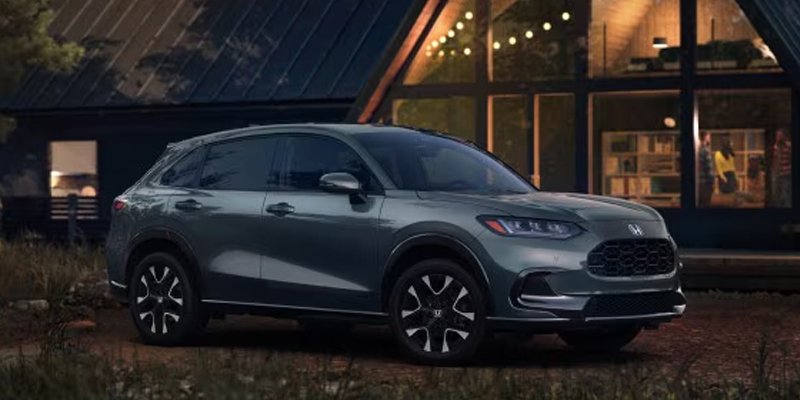
You crave a vehicle that pulses with modern aesthetics and throbs with innovative technology while delivering versatile functionality that dominates the road. The 2026 Honda HR-V is that SUV. Navigate the crushing density of city streets or ascend into the majestic mountains with a sleek exterior that demands attention. Mile High Honda in Denver, CO understands your burning need for a companion that offers Real Time AWD™ for unpredictable weather and cavernous interior space for every piece of gear you possess.
Discover the 2026 Honda CRV in Denver, CO
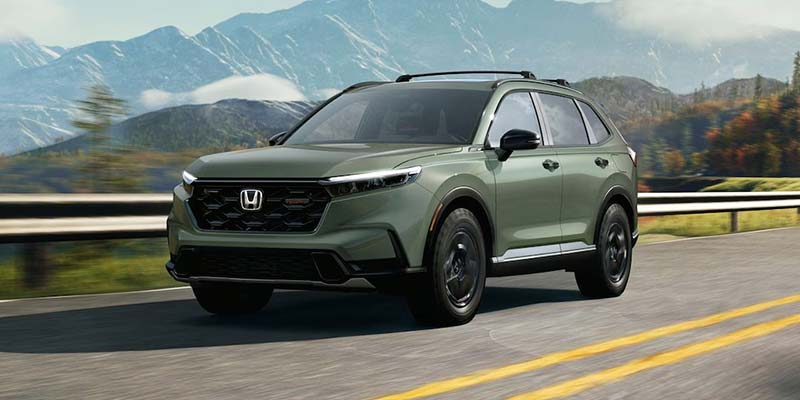
The 2026 Honda CRV is making waves in the automotive world with its exceptional blend of performance, advanced safety features, and modern technology. For drivers in Denver, CO, this latest model offers the perfect balance of capability and comfort, whether you’re navigating the city streets or heading out for a weekend escape to the Rockies.
Connect with us


