

Experience the 2026 Honda Passport in Denver, CO
Rugged Design Meets Advanced Capability
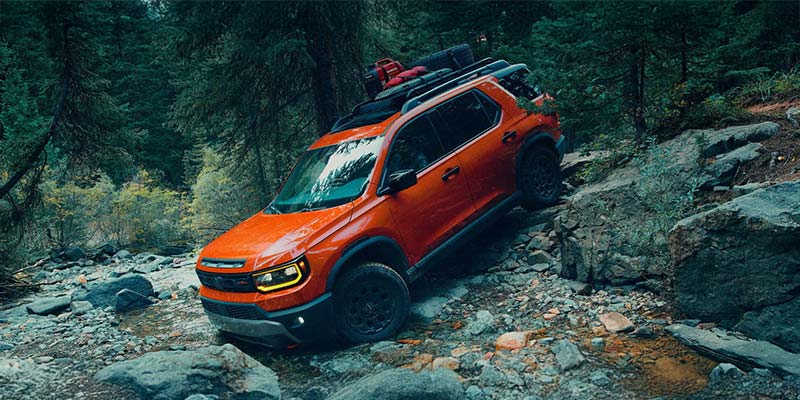
The 2026 Honda Passport has arrived at Mile High Honda in Denver, CO to absolutely obliterate your expectations of what a midsize SUV can achieve. This machine is a conqueror of the asphalt and the dirt that blends savage durability with the kind of refined comfort that makes you weep with joy. You might navigate city streets or tackle the most brutal mountain trails because the 2026 Honda Passport is engineered to dominate every single mile with aggressive confidence.
Experience Efficiency and Performance in the 2026 Honda Civic Sedan Hybrid
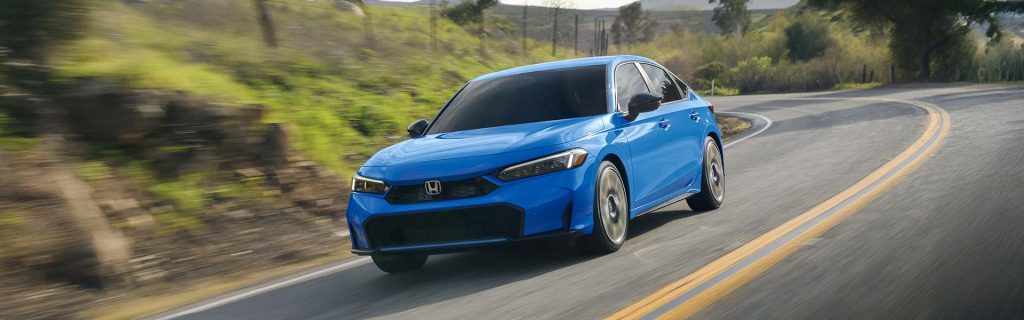
The 2026 Honda Civic Sedan Hybrid at Mile High Honda in Denver, CO shatters all expectations with revolutionary technology, aggressive design, and mind-blowing fuel efficiency. This vehicle delivers a driving experience that defies logic and demands attention. Navigate Denver’s city streets or carve through the breathtaking landscapes of Colorado with a sedan that refuses to compromise. This hybrid beast masters the perfect balance of raw power and eco-consciousness.
A relentless 200 hp hybrid powertrain ensures the 2026 Honda Civic Sedan Hybrid makes every journey efficient and adrenaline-inducing. Denver, CO drivers devour up to 50 miles per gallon in the city and turn eco-friendly urban driving into a thrill ride.
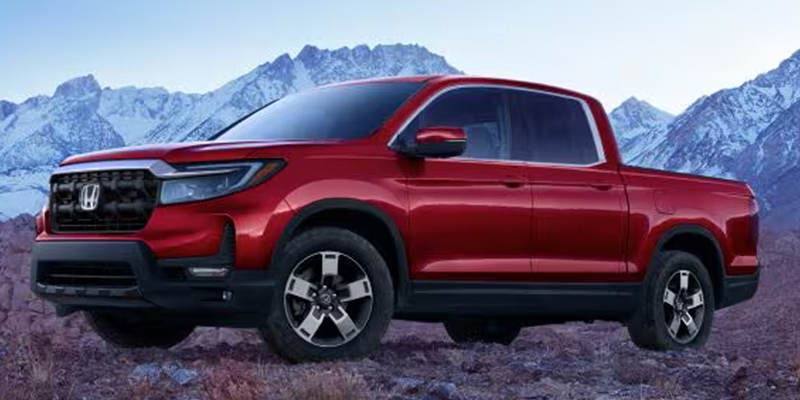
The 2026 Honda Ridgeline is here, and it’s redefining what a pickup truck can do. Whether navigating the scenic landscapes of Denver, Colorado, or tackling rugged trails outside the city, this truck is engineered to handle it all. With innovative features, off-road capability, and a refined interior, the Ridgeline seamlessly combines utility and comfort. Let’s dive into what makes the 2026 Honda Ridgeline an exceptional choice for drivers in Denver.
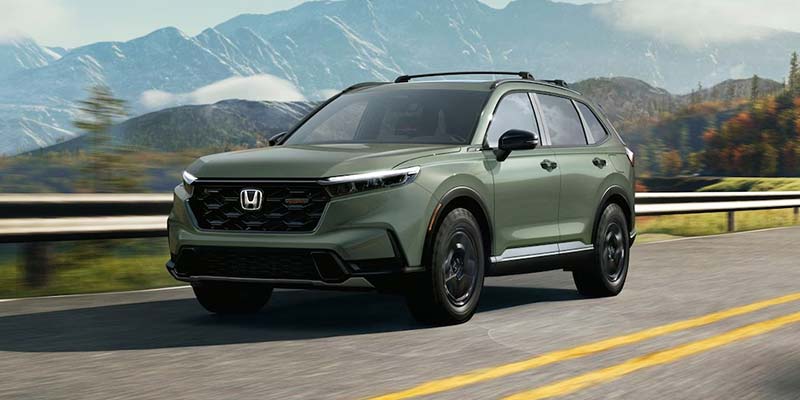
The 2026 Honda CR-V Hybrid is redefining the compact SUV landscape with its combination of efficiency, power, and versatility. Whether you’re navigating Denver’s bustling streets or heading out on a mountain adventure, this hybrid SUV is built to meet every challenge. Let’s dive into what makes the 2026 Honda CR-V Hybrid an exceptional choice for drivers in Denver, Colorado.
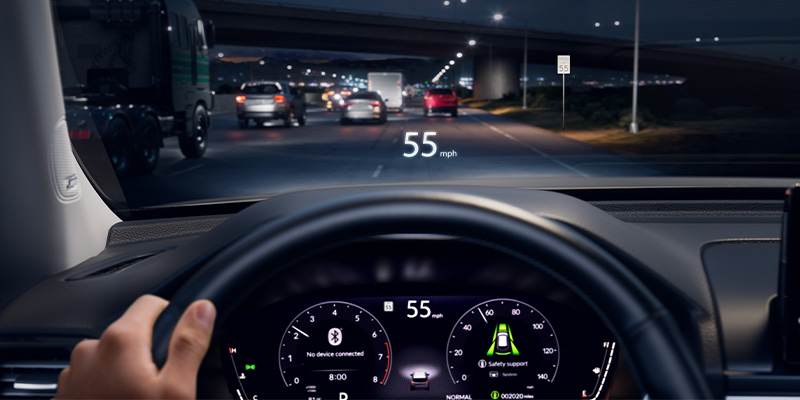
The 2026 Honda Pilot is here to redefine versatility and comfort for SUV enthusiasts. Designed with families and adventurers in mind, this vehicle offers a blend of power, advanced safety features, and cutting-edge technology. Whether navigating city streets or heading to the mountains around Denver, Colorado, the Honda Pilot ensures a smooth and reliable driving experience.
Read the rest of this entry »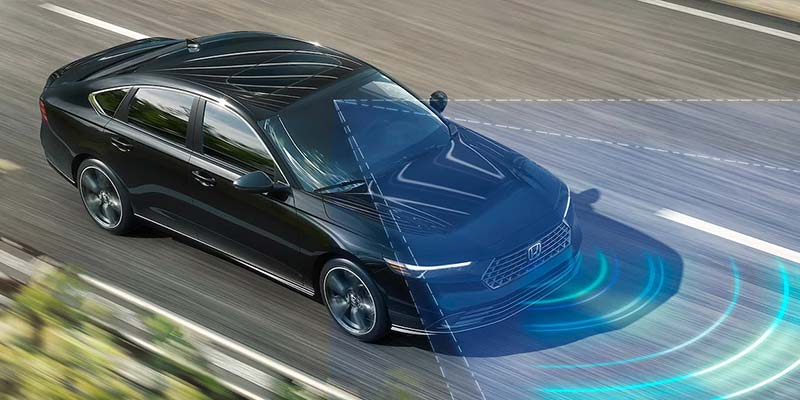
The 2025 Honda Accord is here, setting new standards for performance, safety, and technology. This iconic midsize sedan has consistently been a popular choice for drivers across the country, and for those in Denver, Colorado, it’s a particularly great option. Whether you’re navigating the bustling streets of Denver or heading out to explore the scenic Colorado mountains, the 2025 Honda Accord promises reliability, comfort, and cutting-edge features.
Read the rest of this entry »Autonomous Driving: The Future Is Now

Autonomous driving is transforming the auto industry by offering enhanced safety, convenience, and efficiency. As technology advances, vehicles are becoming increasingly capable of handling complex driving tasks with minimal human intervention. Honda has been at the forefront of this innovation, developing autonomous driving features to improve the driving experience. But what exactly is autonomous driving, and how does Honda incorporate it into its vehicles? Let’s discuss.
What Is Autonomous Driving?
Autonomous driving refers to the ability of a vehicle to navigate and operate without human intervention, relying on a combination of sensors, cameras, radar, artificial intelligence, and machine learning to make decisions and control the vehicle’s movements (more on the tech involved below). These vehicles can detect and respond to their environment, including other vehicles, pedestrians, traffic signals, and road conditions.
There are different levels of autonomy in vehicles, ranging from Level 0 (no automation) to Level 5 (full automation). In a Level 5 autonomous vehicle, the car is fully capable of driving itself under all conditions without any human input. Most current autonomous systems fall between Level 2 (partial automation) and Level 3 (conditional automation), where the vehicle can perform certain tasks like steering, acceleration, and braking, but still requires human supervision or intervention.
The ultimate goal of autonomous driving is to improve safety, reduce traffic congestion, and provide more convenience for drivers.
What Are the Levels of Autonomous Driving?
The Society of Automotive Engineers (SAE) has six levels of autonomous driving, ranging from Level 0 (no automation) to Level 5 (full autonomy). Here’s what each level entails:
Level 0: No Automation
- What the car can do: There is no automation at all. The driver is entirely responsible for controlling the vehicle at all times, including steering, braking, acceleration, and monitoring the environment.
- Driver’s role: The driver must be actively engaged in driving the car, constantly monitoring the road and handling all aspects of driving.
Level 1: Driver Assistance
- What the car can do: The vehicle can assist with either steering or acceleration/deceleration, but not both simultaneously. This typically includes features like adaptive cruise control or lane-keeping assist.
- Driver’s role: The driver is still in full control of the vehicle, with the responsibility to monitor the driving environment. The driver must be ready to intervene at any time.
Level 2: Partial Automation
- What the car can do: The vehicle can control both steering and acceleration/braking simultaneously, but only in certain conditions, such as on highways. Cars equipped with systems like HondaSensing are considered to be level 2 autonomous.
- Driver’s role: While the car is controlling some functions, the driver must remain attentive and keep their hands on the wheel, as the system is not capable of handling all driving tasks. The driver must be prepared to take over at any moment.
Level 3: Conditional Automation
- What the car can do: At this level, the car can perform all driving tasks (steering, braking, acceleration) under specific conditions, such as on highways or in traffic. The vehicle can monitor the environment and make decisions autonomously in these situations.
- Driver’s role: The driver does not need to be actively involved in controlling the vehicle, but must remain available to take over if the system requests it. The car will alert the driver if it encounters a situation it cannot handle, such as bad weather or complex traffic conditions.
Level 4: High Automation
- What the car can do: The car can perform all driving tasks and monitor the environment autonomously, even in more complex scenarios like urban driving or adverse weather. In this case, the vehicle can operate without human input in certain conditions or geofenced areas (e.g., specific cities or designated roads).
- Driver’s role: No driver involvement is required during normal operation. However, the vehicle may have limitations (such as needing human control outside specific areas or in extreme weather). If the system can no longer handle the environment, the car will stop safely, but it does not need a driver to intervene.
Level 5: Full Automation
- What the car can do: At this level, the vehicle is fully autonomous and capable of handling all driving tasks under all conditions, including steering, braking, acceleration, and environmental awareness. The car is not limited by road type, weather, or other environmental factors.
- Driver’s role: No driver is needed. The vehicle does not require human intervention at any time. The car can operate in any environment, and passengers are merely along for the ride.
Summary of Autonomous Driving Levels:
- Level 0: Driver performs all driving tasks.
- Level 1: Driver performs most tasks, but system may assist with one (e.g., cruise control).
- Level 2: System controls some driving tasks, but the driver must monitor and intervene.
- Level 3: System performs most tasks, but the driver must be ready to intervene.
- Level 4: System is capable of full autonomy in specific conditions or areas, no driver intervention needed.
- Level 5: Full autonomy under all conditions, no driver needed.
What Technology Is Involved in Autonomous Driving?
Fully autonomous driving relies on a combination of advanced technologies working together to enable the vehicle to navigate, make decisions, and control its movements without human intervention. Here are the key technologies involved in fully autonomous driving:
1. Sensors
Sensors are the “eyes” and “ears” of an autonomous vehicle. They help the car perceive and understand its environment, including the road, traffic, pedestrians, and obstacles. The sensors used in autonomous driving include:
- Lidar (Light Detection and Ranging): Lidar uses laser beams to create a 3D map of the environment around the vehicle. It provides high-resolution data and can detect objects at long ranges, even in low-light conditions. Lidar is often used for precise distance measurement and obstacle detection.
- Radar (Radio Detection and Ranging): Radar sensors use radio waves to detect objects and measure their distance, speed, and direction. They work well in various weather conditions, such as rain, fog, or snow, where optical sensors like cameras may struggle.
- Cameras: Cameras are crucial for interpreting visual data, recognizing objects, reading road signs, and detecting lane markings. High-resolution cameras provide color and texture information that helps the system make decisions about objects and road conditions.
- Ultrasonic Sensors: These sensors are used for close-range detection and assist with parking, object detection, and low-speed maneuvers. They work by emitting high-frequency sound waves and measuring the reflection to detect nearby objects.
- Infrared Sensors: These sensors detect heat signatures, making them valuable for identifying pedestrians, animals, or other vehicles in low-light conditions.
2. Artificial Intelligence (AI) and Machine Learning
AI and machine learning are essential for autonomous vehicles to make decisions and understand complex situations.
- Computer Vision: This enables the car to process and interpret the data from its cameras and other sensors. Using AI, the vehicle can recognize and classify objects (like cars, pedestrians, cyclists, road signs, etc.) and make decisions based on that information.
- Deep Learning: This form of machine learning allows the vehicle to “learn” from vast amounts of data, improving its ability to recognize objects, navigate routes, and respond to situations. Deep learning helps autonomous systems to make better predictions and decisions over time.
- Path Planning Algorithms: These algorithms help the vehicle determine the best path to take based on the current road layout, traffic conditions, and destination. They take into account the data from sensors and choose the safest and most efficient route.
3. Localization and Mapping
To drive autonomously, the vehicle needs to know exactly where it is on the road at all times. This requires a combination of precise maps and localization technologies.
- High-Definition (HD) Maps: Autonomous vehicles rely on detailed HD maps that provide information about road layouts, lane markings, intersections, traffic signals, and other important details. These maps are much more detailed than typical navigation maps, offering a level of accuracy that helps the vehicle stay on course.
- Global Positioning System (GPS): GPS helps the vehicle determine its general location on the planet. However, GPS alone is not accurate enough for autonomous driving, so it is combined with other localization technologies.
- Simultaneous Localization and Mapping (SLAM): This technique allows the vehicle to create real-time maps of its environment while simultaneously determining its position. SLAM uses data from sensors like Lidar and cameras to build an evolving map, helping the car stay on track in environments where GPS signals may be weak or unavailable (e.g., tunnels or urban canyons).
4. Vehicle Control Systems
These systems enable the vehicle to move, stop, steer, and accelerate based on the data received from sensors and AI.
- Actuators: Actuators are responsible for physically controlling the vehicle’s movements, such as steering, braking, and acceleration. These systems work in conjunction with the vehicle’s sensors and software to make real-time decisions about how the car should move.
- Brake and Throttle Control: Autonomous vehicles must have precise control over their braking and throttle systems. This ensures the vehicle can slow down, stop, and accelerate as needed, either in response to obstacles or as part of route navigation.
5. Connectivity and Communication Systems
- Vehicle-to-Everything (V2X) Communication: This technology allows vehicles to communicate with each other (V2V), with traffic infrastructure (V2I), and even with pedestrians (V2P). V2X helps vehicles exchange information about their location, speed, and other relevant data, allowing for safer coordination on the road, reducing the likelihood of accidents.
- 5G Networks: The advent of 5G technology provides low-latency, high-speed communication, which is critical for real-time data exchange between vehicles, infrastructure, and cloud systems. This allows autonomous vehicles to process data more efficiently and respond to traffic conditions quickly.
6. Redundancy and Safety Systems
Safety is a major priority for fully autonomous vehicles, so they are designed with redundant systems to ensure they can continue functioning even in the event of a failure.
- Redundant Sensors: Autonomous vehicles are equipped with multiple sensors that serve as backups for each other. If one sensor fails or provides inaccurate data, the vehicle can rely on other sensors to maintain its awareness of the environment.
- Fail-Safe Systems: Autonomous vehicles have mechanisms in place to ensure that the car can safely pull over or stop in case of a malfunction. These systems help prevent accidents by allowing the vehicle to take control or alert the driver if needed.
7. Edge Computing and Cloud Computing
- Edge Computing: Autonomous vehicles generate large amounts of data that need to be processed in real-time. Edge computing involves processing data directly in the vehicle (on-board) rather than sending it to a remote server, which allows for much faster decision-making by the vehicle.
- Cloud Computing: Cloud computing allows vehicles to upload and access large datasets, including maps, traffic updates, and real-time data from other vehicles. Cloud services also enable updates and improvements to vehicle software over time, which can further enhance the car’s autonomous capabilities.
How Does Honda Test Its Autonomous Driving?
Honda rigorously tests its autonomous driving systems in controlled environments and real-world scenarios to ensure safety and reliability. They conduct extensive trials on test tracks, closed city streets, and highways to fine-tune this technology.
Which Honda Vehicles Will Have Level 3 Autonomous Driving?
Honda is introducing a Level 3 autonomous driving system in 2026 with the “0 Series.” The two models available will be the 0 Series SUV and 0 Series Saloon sedan. If you’re looking to have a taste of autonomous driving, all Hondas come standard with Honda Sensing® (Level 2 autonomous driving system).
Denver Honda Dealership
Looking for the latest in Honda technology? Visit Mile High Honda, your trusted Denver Honda dealership, to explore Honda’s advanced driver assistance features and future-ready vehicles. Contact us to learn more about the latest Honda models and how they’re shaping the future of autonomous driving.
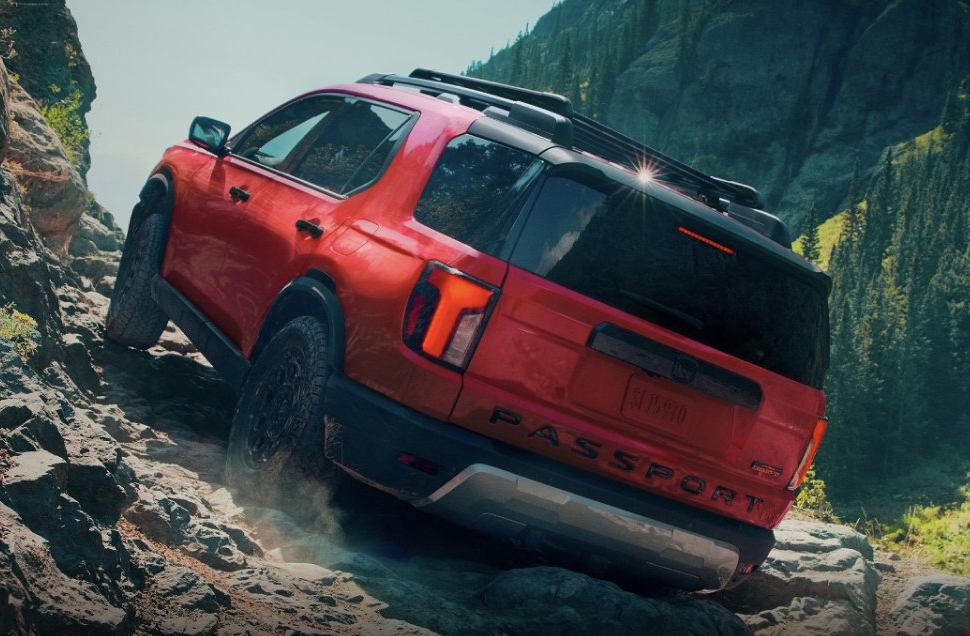
While every trim in the Honda Passport lineup can easily tackle an off-roading journey, the 2026 Honda Passport TrailSport takes it to the next level. Honda recently gave a somewhat bonkers demonstration of just how rugged this vehicle is by suspending three of them from a crane by their newly designed recovery points. Ultimately, the vehicle at the top capably held 14,000 lbs in the end and its bumper reached a height of 100 feet. But what does this information tell us? Mostly that this light truck is one tough customer. And it’s not just because of those recovery points. Let’s take a closer look.
2026 Honda Passport Trailsport vs RTL
The 2026 Honda Passport Trailsport has been designed with a bias toward offroading vs highway and city street comfort:
Off-road Tuned Suspension
The Honda Passport TrailSport comes with an off-road-tuned suspension designed to enhance its capabilities on rough and uneven terrain. This is accomplished with:
- Stronger Springs: The 2026 Honda Passport TrailSport features stiffer springs, which help in handling the extra weight and provide better stability when driving on off-road terrains. These springs can absorb the shocks from rough surfaces while maintaining control.
- Increased Ride Height: The suspension on the Honda Passport Trailsport is raised, offering additional ground clearance compared to the standard Passport. This extra clearance helps the vehicle avoid obstacles like rocks, tree roots, or uneven surfaces, allowing the tires to maintain better contact with the ground.
- Revised Dampers: The dampers (shock absorbers) on the TrailSport are tuned differently to help control body movements during off-road driving. This tuning ensures the vehicle can handle bumps, dips, and rough surfaces more effectively, keeping the ride stable and less jarring.
Four VERY Strong Recovery Points
The 2026 Honda Passport Trailsport and Trailsport Elite have four recovery points. The two in front are bright orange and easily accessible. The system, which is capable of supporting twice the Trailsport’s weight, was designed as a closed-loop recovery system. The recovery points are also corrosion-resistant and will break away if the vehicle is involved in a frontal crash. No other brand’s recovery system does this, but we bet we’ll start seeing copycats soon.
In the rear, the 2026 Passport Trailsport has a trailer hitch with a 7-pin connector which joins the two rear recovery points.
Rugged Styling
The new Honda Passport Trailsport has also been given a sporty makeover. Instead of the leather used in the RTL, the Trailsport features highly durable leatherette and cloth seats with the signature Trailsport orange stitching. It looks high-end but you won’t have a heart attack if it gets muddy or wet.
The Trailsport also upgrades you to all season floor mats and amber ambient lighting.
All Terrain Upgrades
The 2026 Honda Passport Trailsport is equipped with a host of additional features designed to enhance off-roading performance and safety:
Amber Daytime Running Lights: low-wattage lights glow amber during daylight conditions to increase visibility to other vehicles. This is particularly useful when you’re driving in the shadow of a mountain or through trees.
All Terrain Tires: these tires have a deeper tread for better traction on sand, mud, and snow. They are also affixed to the wheel with glossy black lug nuts for a super sleek look.
Underbody Skid Plate: highly abrasion-resistant plate to protect the engine, exhaust, transmission, etc. from getting dinged with rocks and other debris.
Helpful Tech:
- Heated windshield and wipers-no need to run the heater to defog the windshield or melt snow.
- Panoramic moonroof-get a full view of your natural surroundings and increase light in the cabin.
- Rear camera washer-keeps your backup cam crystal clear of dust and mud.
- LED fog lights-a must for off-roading, especially in early morning treks during the mountain mist.
What About The 2026 Honda Passport Trailsport Elite?
Yes, what ABOUT it? Well, for an additional 4K, you get quite the boost:
- A multiview camera system
- Front camera washer
- Acoustic front glass
- SmartEntry
- Power lift tailgate
- Perforated leather with contrast stitching and black piping (ooh la la)
- Multiview camera system
- Ventilated front seats
- Heated steering wheel and rear seats
- Integrated rear door shades
- And 12 speakers (versus 9 in the Sport
But one of the most exciting features of the 2026 Honda Passport Trailsport Elite is the addition of TrailWatch. This system uses multiple cameras to provide a 360-degree view of the surrounding area. It helps drivers navigate tricky off-road environments by giving them a better view of their immediate surroundings, making it easier to see obstacles or uneven terrain that might be hard to spot from the driver’s seat.
Here’s how TrailWatch works:
- Multiple Cameras: TrailWatch uses several cameras strategically placed around the vehicle. These cameras provide live video feeds to the infotainment screen inside the cabin.
- 360-Degree View: The system offers a composite view from all these cameras, allowing the driver to monitor areas around the vehicle.
- Off-Road Assistance: While the system is particularly useful when off-roading, it can also help during tight parking situations or when driving in areas with limited visibility. It can assist the driver in maneuvering safely by showing obstacles or other vehicles that might not be immediately visible.
- Real-Time Display: The live video feed is shown on the central infotainment screen, offering real-time visuals of what’s happening around the vehicle. There’s a lot less “what was that?” coming from you and your passengers after you drive over something you didn’t see coming.
Buy A 2026 Honda Passport Trailsport In Denver
Have we convinced you yet? Every good Coloradan needs a solid off-roading vehicle, and you won’t do better than the Trailsport or the Trailsport Elite. If you don’t believe us, drop by our dealership for a test drive. We have a full inventory of the 2026 models in stock and ready for you to get behind the wheel. Call or go online today to get started!
What Is Honda’s VSA?
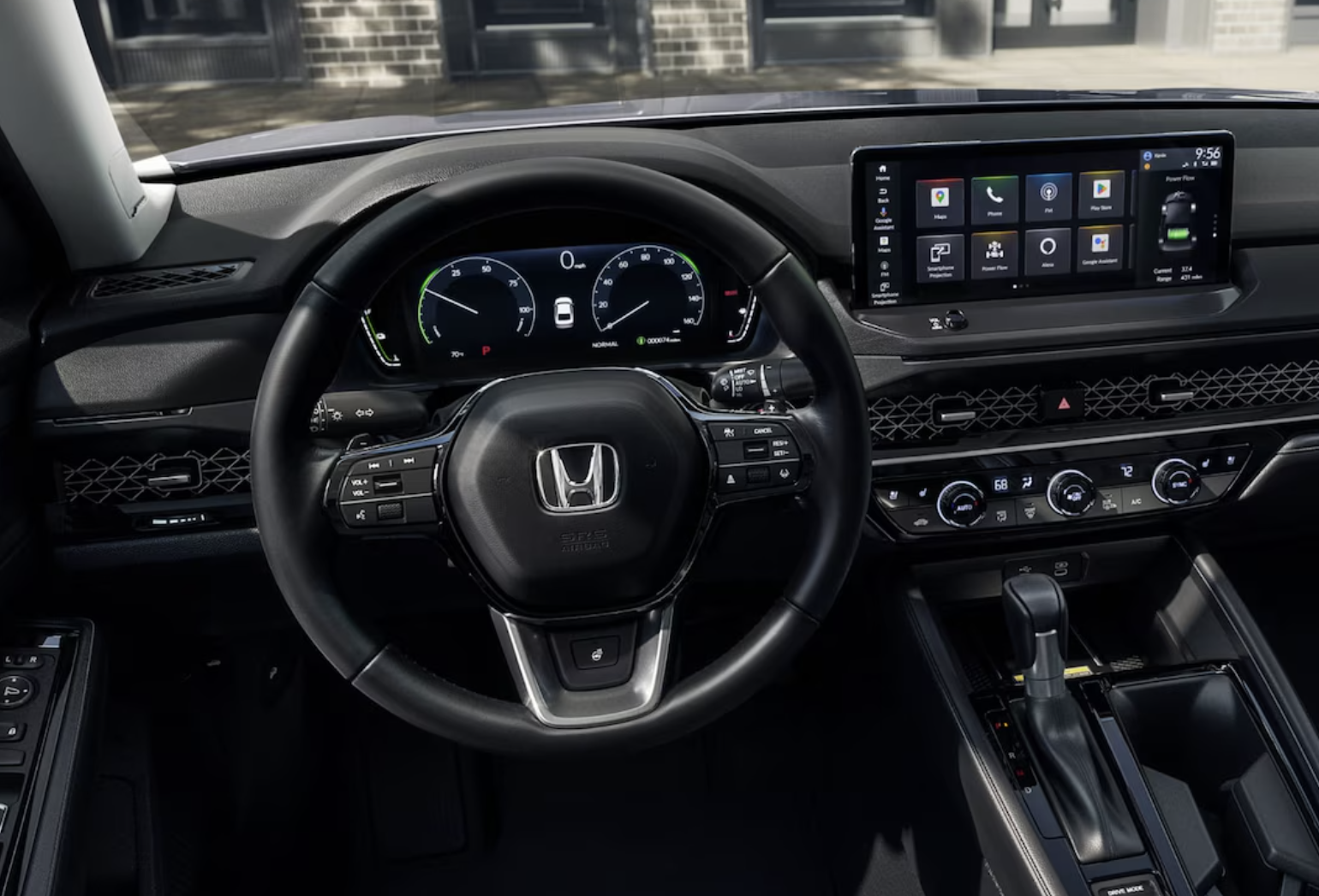
Honda’s Vehicle Stability Assist (VSA) technology is an advanced system designed to help enhance a vehicle’s stability and control during challenging driving conditions. This sophisticated technology is just one of Honda’s advanced systems that help keep drivers safe. Let’s take a closer look.
What is Vehicle Stability Assist (VSA)?
Vehicle Stability Assist is a vehicle safety feature designed to prevent skidding and improve handling while cornering. It uses sensors to detect when the car is losing traction or stability—such as in slippery conditions or during sharp turns—and applies selective braking to individual wheels. This helps the driver maintain control and prevents the car from skidding or fishtailing.
When Was Honda VSA First Developed?
Honda introduced Vehicle Stability Assist in 1997. It was first made available on the Honda Legend (known as the Acura RL in North America), and it became a standard feature on many of their models in the following years. VSA was developed to complement other safety technologies, such as anti-lock brakes (ABS) and traction control.
How Does Honda VSA Work?
VSA operates by integrating several sensors, including yaw rate sensors, steering angle sensors, and wheel speed sensors, to monitor the vehicle’s behavior in real-time. Here’s how the system works in detail:
- Detection: The sensors continuously monitor the car’s movement. If the system detects a difference between the driver’s intended path (based on steering input) and the car’s actual direction (due to skidding, oversteering, or understeering), it activates.
- Braking: Once instability is detected, VSA can automatically apply braking to one or more wheels to help regain control. For example, if the vehicle is oversteering (turning too much), the system may brake the outer wheels to prevent the car from spinning. If the vehicle is understeering (not turning enough), the system can brake the inner wheels to help steer the car back on course.
- Engine Power Reduction: In some cases, VSA will also reduce engine power to help slow down the vehicle and regain traction.
By actively managing braking and engine output, VSA helps drivers maintain control in emergency situations or when driving on slippery surfaces like wet roads or ice.
Do all Hondas Have VSA?
VSA is a standard feature on most newer Honda models, but not all Hondas are equipped with it. It’s typically available on higher-end trims and models. However, since 2014, Honda has made VSA a standard feature on nearly all of their vehicles, especially in the United States, where safety features like VSA have become increasingly common in response to consumer demand for improved safety.
What Does It Mean When The VSA Light Is On?
When the VSA icon lights up on your Honda’s dashboard, it generally indicates that the system has been deactivated or is experiencing an issue. Here’s what it typically means:
1. VSA is turned off manually:
If you or someone in the car turned off the VSA system using the VSA button (usually located near the dashboard or center console), the VSA icon will light up. This is normal, and it simply means the system is temporarily disabled. Drivers might turn off VSA when driving in specific conditions, such as heavy snow, mud, or sand, where the system might interfere with the natural wheel spin needed to move the vehicle.
2. VSA is actively working:
In some cases, the VSA icon might flash while the system is actively intervening, helping to maintain stability by applying braking to specific wheels or reducing engine power. This is typically a sign that the system is engaged and working to keep the car stable. It should flash intermittently while the system is active.
3. A problem with the VSA system:
If the VSA light remains solid (without flashing) after starting the car, it could indicate a malfunction or issue with the system. This could be due to a problem with one of the sensors, the VSA module, or related components like the ABS (Anti-lock Braking System). In this case, you should have the vehicle inspected by a Honda dealer or a qualified mechanic as soon as possible to diagnose and resolve the issue.
4. Check engine light and VSA light together:
If the VSA light comes on along with the check engine light, it might be related to a broader issue with the vehicle’s electronic systems, such as a malfunction in the engine or transmission, which could affect the VSA system. Again, it’s best to have the car checked to determine the cause.
Honda Maintenance Denver
If it’s time for your Honda’s routine maintenance or you have a special issue you need addressed, visit our Denver Honda dealership. Our techs are highly trained professionals certified to address any and all issues with your Honda. Go online today to schedule your service, and be sure to check out our Service Deals page!
Why The 2025 Honda CR-V EX-L Is One Stylish SUV

The 2025 Honda CR-V EX-L is a great choice for drivers who want a refined balance of luxury, technology, and performance in a compact SUV. Whether you’re commuting through Denver or heading to the mountains, the Honda CR-V EX-L delivers a smooth and efficient ride with its reliable performance and modern conveniences. If you’re considering the 2025 Honda CR-V EX-L, here’s everything you need to know about its features, differences from other trims, and where to find one in Denver (spoiler alert, we have them at Mile High Honda).
What Is the Difference Between the 2025 Honda CR-V EX-L and the EX?
The primary differences between the 2025 Honda CR-V EX-L and the EX trim come down to comfort and convenience upgrades. The EX-L trim adds:
- Standard wireless Apple CarPlay and Android Auto.
- Auto up-down windows for the front and rear rows.
- Leather wrapped steering wheel and shifting knob.
- Leather-trimmed seating for a more upscale interior feel.
- A larger 9-inch touchscreen (compared to the EX’s 7-inch).
- A power tailgate with programmable height settings.
- A premium 8-speaker audio system (vs. the EX’s 6-speaker setup).
- Auto-dimming rearview mirror for improved nighttime visibility.
Both trims share the same 1.5L turbocharged engine and Honda Sensing® safety features, but the EX-L offers a more refined driving experience with these premium enhancements.
What Is New for the 2025 Honda CR-V EX-L Compared to Last Year?
While Honda didn’t introduce major changes for the 2025 Honda CR-V EX-L, it remains a top choice for drivers who appreciate its proven reliability, refined comfort, and cutting-edge technology. Instead of fixing what isn’t broken, Honda continues to deliver the same winning formula: a stylish and spacious interior, fuel-efficient turbocharged engine, and advanced safety features, making it one of the most well-rounded SUVs on the market.
What Packages Are Available for the Honda CR-V EX-L?
Honda offers four packages to upgrade your CR-V:
Protection Package
- Cargo Tray: A protective tray for the cargo area that keeps it clean and shields it from dirt, spills, and debris, especially if you’re hauling wet or dirty items.
- Splash Guards: These guards protect the body of your CR-V from road debris, mud, and water, preventing scratches and damage to the exterior.
- Chrome Wheel Locks: these deter theft by requiring a specialized key to remove the lugnuts.
All Season Protection Package II
- All-Weather Floor Mats: Custom-fit, heavy-duty mats designed to protect your vehicle’s carpets from dirt, mud, snow, and water. They’re easy to clean and durable enough for all seasons.
- Cargo Tray
- Chrome Wheel Locks
Utility Package
- Roof Rails and Crossbars: designed to accommodate heavy or awkward items, like large suitcases, camping equipment, or a kayak
- Running Boards: also called side steps, these provide an easier means of stepping into a high clearance vehicle like the CR-V EX-L.
- Trailer Hitch: to transport even more cargo.
- Seat Back Protector: especially helpful if you’ve got little ones that like to kick your seat with their muddy shoes or teens with the dreaded cleats.
Honda Performance Development (HPD) Package:
The HPD Package is designed to give your Honda CR-V a sportier and more rugged appearance. It adds performance-inspired features and styling elements to your vehicle, including:
- Sporty Front Grille: A more aggressive grille design to give the front of your CR-V a more performance-oriented look.
- HPD Wheels: Specially designed wheels, usually with a more rugged, off-road-inspired look.
Fender Flares: Adds wider fender flares to give the CR-V a more muscular appearance, enhancing its off-road presence. - Lower Body Skirts: These add to the vehicle’s sporty styling, making it look lower and more performance-focused.
HPD Badging: Exclusive HPD badges on the vehicle to signify its performance upgrades.
How Much Does the 2025 Honda CR-V EX-L Cost?
While prices may vary based on location and optional features, the 2025 Honda CR-V EX-L starts at $35,000 for the FWD drivetrain and $36,500 for AWD. This can fluctuate depending on added accessories and dealer fees. For the latest pricing and promotions, check with your local dealership.
Where to Buy a Honda CR-V EX-L in Denver?
If you’re looking to purchase a 2025 Honda CR-V EX-L in Denver, Mile High Honda is your go-to destination. With a wide selection of Honda CR-V EX-L models, competitive financing options, and expert service, Mile High Honda makes the car-buying process smooth and hassle-free. Visit our showroom or browse our inventory online to find the perfect CR-V.
Connect with us


