

Time For A Honda Oil Change!
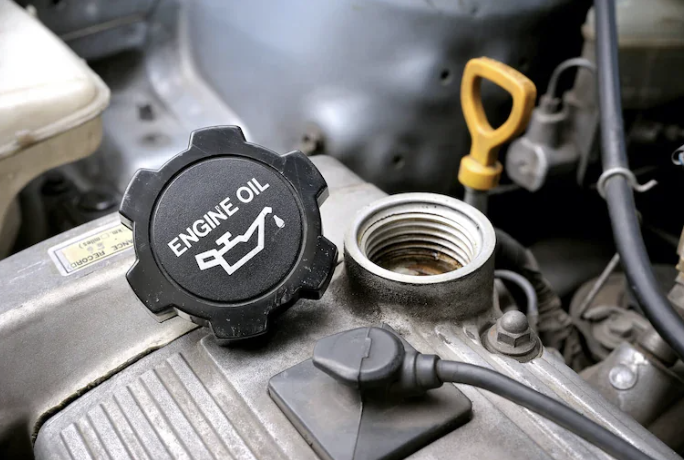
Keeping up with regular oil changes is one of the most important things you can do to extend the life of your Honda. Oil is critical to the health of your engine: it lubricates the moving parts, which prevents friction and overheating. In extreme cases, old oil or low levels can cause engine failure. Long story short: don’t skip your Honda oil change!
How Often Does a Honda Need an Oil Change?
Honda generally recommends changing the oil every 7,500 to 10,000 miles for vehicles using full synthetic oil. However, if your Honda uses conventional oil, an oil change is needed every 3,000 to 5,000 miles. Always refer to your owner’s manual for your specific model’s recommendations. Additionally, if you drive in extreme conditions—such as stop-and-go traffic, mountainous terrain, or extreme weather—you may need to change the oil more frequently.
If you frequently take short trips where the engine doesn’t fully warm up, condensation and fuel residues can accumulate in the oil, causing it to degrade faster. For those who put relatively few miles on their Honda, it’s still recommended to change the oil at least once a year to prevent sludge buildup.
What Other Factors Affect Oil Life?
Several factors influence how quickly your oil degrades, including:
- Driving Conditions – Frequent stop-and-go driving, short trips, and extreme weather (hot or cold) can break down oil faster.
- Oil Type – Synthetic oil lasts longer and performs better under extreme conditions than conventional oil.
- Engine Load – Towing, carrying heavy loads, or aggressive driving can strain the engine and wear down oil faster.
- Climate – If you live in an area with extreme temperatures, your oil may break down faster, requiring more frequent changes.
- Engine Age – Older engines may burn oil more quickly or develop leaks, requiring closer monitoring of oil levels and more frequent changes.
- Oil Quality – Low-quality oil or using the wrong oil viscosity can shorten oil life and lead to potential engine problems.
Will My Honda Tell Me If It Needs an Oil Change?
Yes! Most newer Honda models come with the Honda Maintenance Minder System, which monitors oil life and alerts you when an oil change is needed. Instead of following a fixed mileage schedule, this system uses sensors to assess oil quality and engine conditions, providing a more accurate estimate of when to change your oil. This ensures you don’t change the oil too soon or too late.
What is the Honda Maintenance Minder System?
The Honda Maintenance Minder System is an onboard monitoring system that tracks oil life and overall vehicle maintenance needs. It uses a percentage scale (from 100% down to 0%) to indicate when an oil change is needed. When the oil life reaches 15%, you’ll see a reminder on the dashboard. If it reaches 5%, the system will indicate that an oil change is urgent.
This system also provides service codes, such as A1 or B1, which indicate other necessary maintenance tasks like tire rotations or air filter replacements. Checking your owner’s manual can help you understand what each code means. Some common Maintenance Minder codes include:
- A1 – Oil change and tire rotation
- B1 – Oil change, tire rotation, and additional inspections (brakes, suspension, etc.)
- B2 – Oil change, air filter replacement, and cabin air filter replacement
Following the Maintenance Minder System ensures that your Honda receives timely maintenance without unnecessary service costs. It also helps maintain resale value, as a well-maintained vehicle is more appealing to potential buyers.
Can I Drive a Honda With 15% Oil Life?
If your Honda’s Maintenance Minder system shows 15% oil life, that means it’s getting close to the time for an oil change, but it’s not urgent yet. At this point, you should schedule an oil change soon to avoid hitting 0% oil life, which means the oil is fully depleted and could cause engine damage if you continue driving.
While driving at 15% oil life isn’t immediately harmful, pushing it too far can lead to increased engine wear, reduced efficiency, and even potential long-term damage. If you see the oil life drop below 5%, it’s recommended to get an oil change as soon as possible.
Should I Do A Honda Oil Change Myself?
If you’re comfortable with basic car maintenance, doing your own oil change can save money. However, it requires the right tools, materials, and knowledge. Here’s a basic outline of the process:
- Gather Supplies – You’ll need the correct type of oil (check your owner’s manual), an oil filter, an oil drain pan, a wrench, and a funnel.
- Drain the Old Oil – Locate the drain plug under the engine, place the drain pan beneath it, and remove the plug to let the old oil drain completely.
- Replace the Oil Filter – Unscrew the old oil filter, install the new one, and make sure it’s properly tightened.
- Add Fresh Oil – Pour the new oil into the engine through the oil fill cap, then check the oil level with the dipstick.
- Dispose of Old Oil Properly – Take the used oil to a local auto parts store or recycling center.
- Reset the Maintenance Minder System – If your Honda has an oil life monitoring system, reset it after the oil change to ensure it accurately tracks the next interval.
While changing your own oil is possible, it can be messy, and skipping a step could cause engine issues. If you’re unsure, a professional oil change is always a safe choice. Many Honda dealerships and service centers offer quick oil changes, and they can also inspect your vehicle for other maintenance needs at the same time.
Will A DIY Honda Oil Change Void The Warranty?
No, changing the oil yourself will not void your Honda’s warranty, as long as you use the correct oil and filter that meet Honda’s specifications. Under the Magnuson-Moss Warranty Act, a manufacturer cannot deny a warranty claim simply because you performed your own oil change or used non-OEM parts—unless they can prove that improper maintenance caused the damage.
However, if you choose to use a non-OEM oil filter, make sure it meets or exceeds Honda’s specifications. Some lower-quality aftermarket filters may not provide adequate filtration, which can lead to potential engine issues. To protect your warranty, always keep records of your oil changes, including receipts for oil and filters, dates, and mileage. If you’re unsure, using Honda Genuine Oil Filters and Honda-approved synthetic oil is the safest option.
Schedule Your Denver Honda Oil Change Today
Regular oil changes are essential for keeping your Honda running smoothly. If your Honda Maintenance Minder has reached 15% or less, it’s time to schedule your service appointment. Contact our Denver Honda dealership today to schedule your oil change, and be sure to visit our Oil Change Services page to see what deals we’ve got going on!
Everything You Need To Know About The Honda Recall
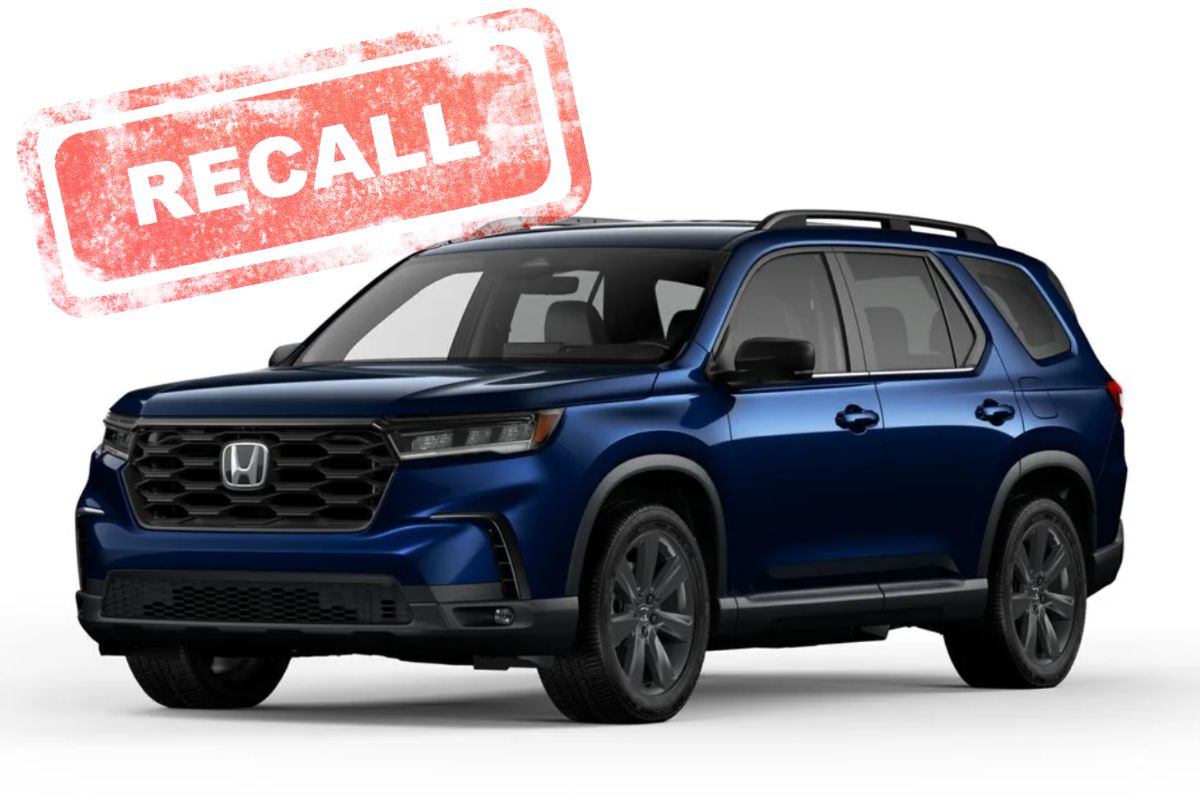
In January 2025, Honda announced a recall of approximately 295,000 vehicles in the United States due to a software issue that could cause engines to stall unexpectedly. The affected models include:
- 2022-2025 Acura MDX Type-S
- 2021-2025 Acura TLX Type-S
- 2023-2025 Honda Pilot
The issue stems from improper settings in the fuel injection electronic control unit (FI-ECU). Sudden changes in throttle opening can trigger a torque control failure, leading to engine hesitation, loss of power, or stalling. As of mid-January 2025, Honda had received 674 warranty claims related to this problem but reported no crashes or injuries.
How Do You Know If Your Car Is Part Of The Honda Recall?
To check if your vehicle is part of this recall, locate your 17-character Vehicle Identification Number (VIN), which can be found on the lower left of your car’s windshield or on your vehicle’s registration card. Once you have your VIN, visit the Honda Recall Information page and enter the number to see if your vehicle is affected. Alternatively, you can use the National Highway Traffic Safety Administration (NHTSA) recall lookup tool for information.
Steps to Take if Your Vehicle Is Recalled
If your vehicle is identified as part of the recall:
- Contact Your Local Dealer: Reach out to an authorized Honda or Acura dealership to schedule a service appointment. Dealers will reprogram the FI-ECU software at no cost to you.
- Await Official Notification: Honda plans to mail notification letters to affected owners starting in March 2025. However, proactively checking your vehicle’s status and scheduling repairs is advisable.
- Stay Informed: For additional information or assistance, contact Honda Automobile Customer Service at (888) 234-2138.
Can I Ignore The Honda Recall?
Ignoring a recall, especially one related to engine stalling, can lead to serious safety risks and potential long-term consequences for both you and your vehicle. Here’s what could happen if you choose not to address the Honda recall:
1. Increased Risk of Accidents
Since this recall involves a faulty fuel injection electronic control unit (FI-ECU), your vehicle could experience unexpected stalling or loss of power. This can be especially dangerous if it happens while driving at high speeds or in heavy traffic, increasing the risk of an accident.
2. Potential Engine Damage
Software-related engine issues can worsen over time. If the FI-ECU is not fixed, it could lead to further mechanical problems, potentially causing costly repairs that wouldn’t have been necessary if the recall was addressed.
3. Higher Repair Costs in the Future
If you ignore the recall and later experience engine failure or power loss, you may have to pay out of pocket for diagnostics and repairs that would have otherwise been covered by Honda. Even if the recall is still active, waiting too long could lead to additional issues not covered by the manufacturer.
4. Lower Resale Value
When selling or trading in your vehicle, an open recall could lower its value. Many buyers and dealerships check for recalls using a vehicle’s VIN, and unresolved recall issues may make the car less desirable.
5. Possible Legal or Insurance Complications
- Liability Issues: If you get into an accident due to the recall-related issue and knowingly ignored the recall, you could be held liable.
- Insurance Complications: Some insurance companies might not cover damages caused by known recall-related defects, arguing that the driver failed to take necessary action.
6. Potential Future Repair Delays
Ignoring the recall now could make it harder to get the fix later. If too many affected vehicles experience problems at once, repair appointments may become backlogged, and you will have to wait longer to get it fixed.
Schedule Your Honda Recall Service In Denver
Even if you haven’t noticed any issues with your vehicle, it is always best to address a recall promptly. Scheduling a free repair appointment with an authorized Honda or Acura dealer ensures your car remains safe and reliable while preventing potential future problems.
Mile High Honda is a certified Denver Honda dealership with a dedicated repairs department that specializes in all aspects of your Honda. Trust us to get your vehicle running smoothly and safely. Call or go online to schedule your service today.
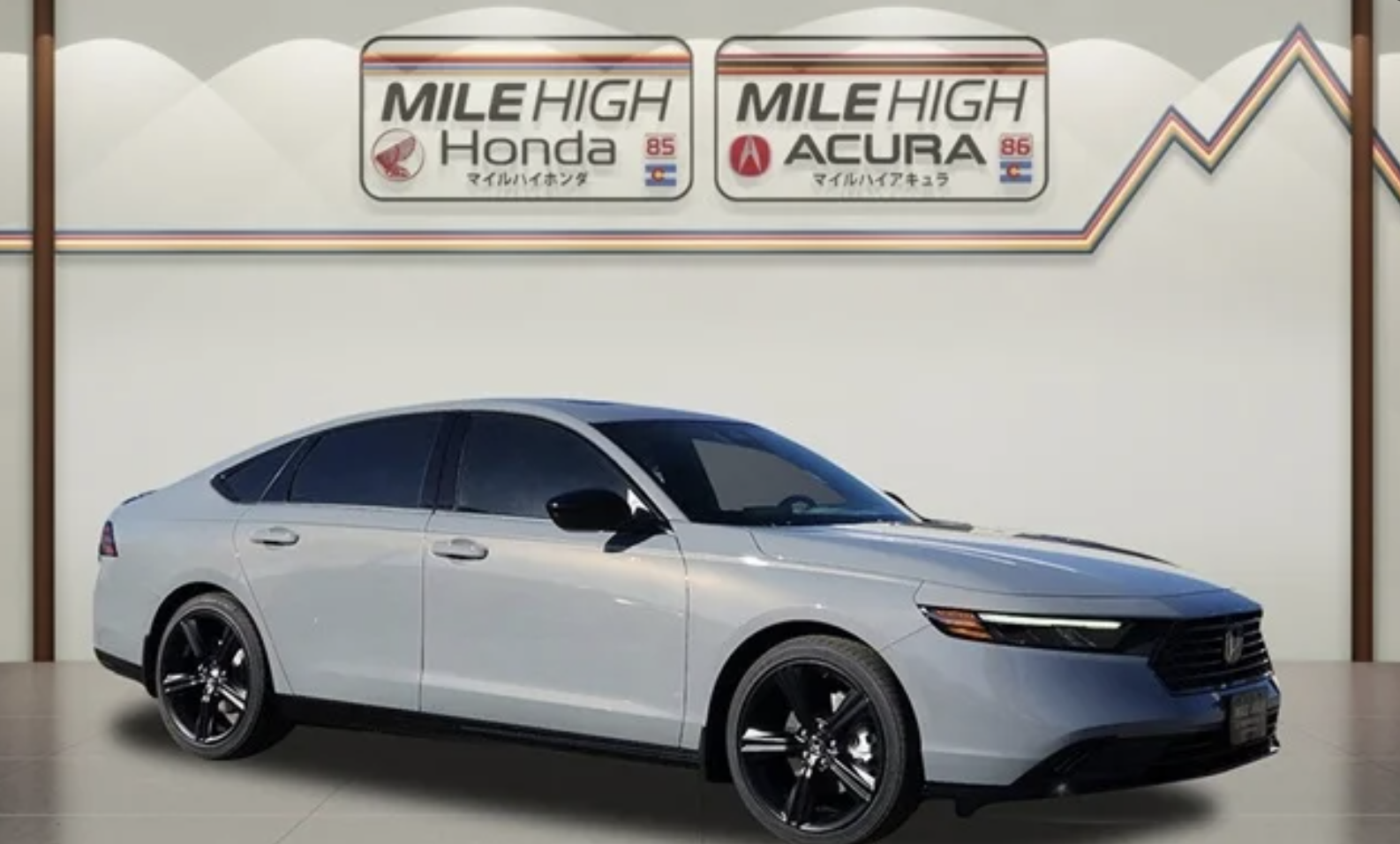
If you’re in the market for a fuel-efficient, practical, and stylish hybrid sedan, two of the top contenders are the 2025 Honda Accord Hybrid and the 2025 Toyota Prius. While both vehicles excel in efficiency and technology, the Accord Hybrid offers a more refined driving experience, superior comfort, and a design that doesn’t scream ‘hybrid’—all without sacrificing fuel economy. Let’s take a closer look at how these two hybrids compare in key areas.
Engine Specs & Performance
- Honda Accord Hybrid: The 2025 Accord Hybrid features a 2.0L Atkinson-cycle 4-cylinder engine paired with Honda’s two-motor hybrid system, delivering a total of 204 horsepower and 247 lb-ft of torque. This results in strong acceleration and a smooth, responsive driving experience.
- Toyota Prius: The Prius comes with a 2.0L 4-cylinder engine and an electric motor, producing 196 horsepower in its AWD variant and 194 horsepower in FWD models. While efficient, it lacks the punchy acceleration and refined power delivery of the Accord Hybrid.
Winner: Honda Accord Hybrid – The Accord Hybrid offers significantly more torque, making for better response and handling.
Fuel Economy
- Honda Accord Hybrid: Estimated at 46-48 mpg combined, depending on trim level.
- Toyota Prius: With its focus on maximizing fuel savings, the Prius leads with 52-57 mpg combined, with the AWD model slightly lower.
Winner: Toyota Prius – The Prius edges out the Accord Hybrid in fuel efficiency, making it the better choice if maximizing mpg is your top priority.
Size & Dimensions Of Honda Accord Hybrid vs Toyota Prius
- Honda Accord Hybrid: A midsize sedan with ample passenger and cargo space. It offers 105.7 cubic feet of passenger volume and a 16.7 cubic-foot trunk, making it more spacious and comfortable for families or road trips.
- Toyota Prius: A compact liftback with 91.2 cubic feet of passenger volume and a 23.8 cubic-foot cargo space due to its hatchback design.
Winner: Honda Accord Hybrid – The Accord Hybrid offers more legroom, a more comfortable back seat, and a sedan-style trunk with more overall cabin space. The rear of the Toyota Prius is especially cramped, which makes it less suited to taller passengers and longer driving stints.
Pricing & Trim Options
- Honda Accord Hybrid: Starts at around $33,000 and is available in Sport, EX-L, Sport-L, and Touring trims.
- Toyota Prius: Starts at around $28,000 and is available in LE, XLE, and Limited trims.
Winner: Depends on Budget – The Prius has a lower starting price, but the Accord Hybrid is far roomier and more comfortable to drive for the slightly higher price tag.
Standard Technology
- Honda Accord Hybrid: Comes with a 12.3-inch touchscreen, wireless Apple CarPlay & Android Auto, a digital gauge cluster, Honda Sensing safety suite, and available Google built-in.
- Toyota Prius: Features an 8-inch touchscreen (12.3-inch on higher trims), Toyota Safety Sense 3.0, and wireless smartphone integration.
Winner: Honda Accord Hybrid – The larger standard touchscreen and more user-friendly tech interface give Honda the edge.
Comfort & Convenience
- Honda Accord Hybrid: Offers available ventilated front seats, rear seat heating, premium Bose audio system, and a refined, quiet interior.
- Toyota Prius: Provides a comfortable but more minimalist interior, with heated seats available but fewer high-end comfort features.
Winner: Honda Accord Hybrid – More premium features and a quieter cabin make for a more luxurious ride.
Safety Features Of The 2025 Honda Accord Hybrid vs 2025 Toyota Prius
In addition to comfort, this is where the Honda really shines. Every new Honda comes equipped with the entire suite of Honda’s latest safety features, collectively known as Honda Sensing. You get every last safety feature regardless of the trim you choose.
On the other hand, Toyota has two safety packages to choose from: Toyota Safety Sense™ P or Toyota Safety Sense™ C. Choosing the C package means you will be sacrificing certain safety features that come standard in a Honda. For example, C does not include pedestrian detection or lane keep assist.
Furthermore, Toyota does not have any safety feature comparable to Honda’s Road Departure Mitigation System. It does have a Lane Departure Warning, but there is no system in place to correct the departure.
Honda’s LDMS uses a forward-facing camera to detect lane markings on the road. If the vehicle starts drifting out of its lane without a turn signal, the system provides visual and audio alerts. If the driver does not react, the system can apply gentle steering inputs to help guide the vehicle back into the lane. In some cases, it may also apply slight braking pressure to help correct the vehicle’s path.
Winner: Honda Accord Hybrid – The LDMS alone is enough to make the Honda the clear winner, but the fact that the entire suite of safety features is standard on all models further seals the deal.
Test Drive A 2025 Honda Accord Hybrid In Denver
We may be biased, but we think that the Honda Accord Hybrid is easily the superior hybrid vehicle. It is a comfortable, efficient, and super-safe ride that performs as well in the city as on the highway. If fuel economy is your thing, choose the Toyota. But if you’re looking for a more powerful, refined, spacious, and tech-forward hybrid, the 2025 Honda Accord Hybrid is the clear winner.
Stop by our Denver Honda dealership to test drive a 2025 Honda Accord hybrid today. We have all trim options available, and our experienced sales team is here to show you how to make the most of all the new tech features. Drop in, call, or go online to see what we’ve got in stock!
Why the Honda 0 Series Is the Future of EVs
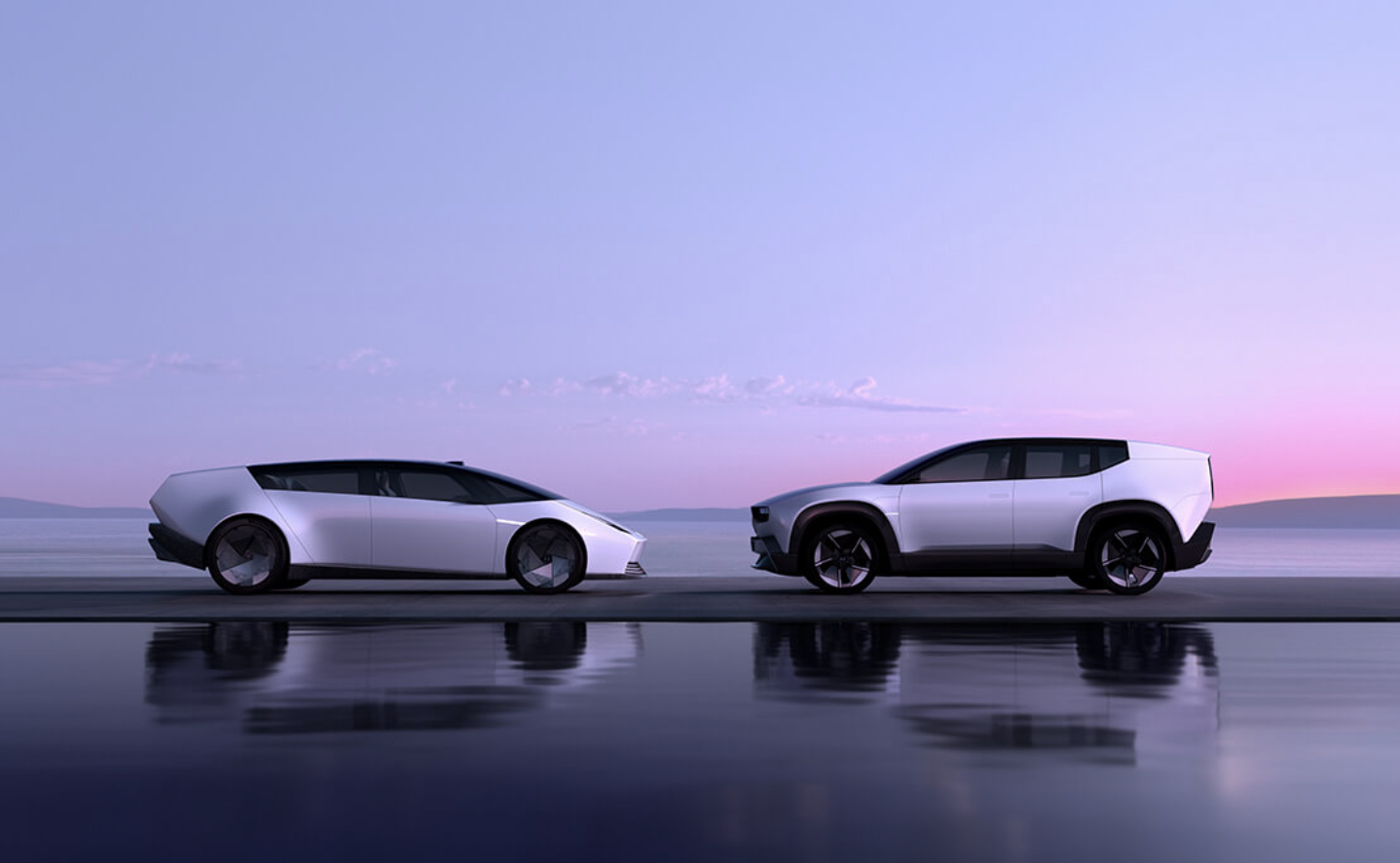
Honda is shaking up the electric vehicle market with the upcoming Honda 0 Series, a new lineup designed to deliver innovation, sustainability, and top-tier performance. The Honda 0 Series will launch with two highly anticipated models featuring sleek designs, advanced technology, and impressive range: the Honda 0 Saloon and the Honda 0 SUV. As Honda aims for a zero-emissions future, these vehicles promise to offer cutting-edge features and an exceptional driving experience.
What Is the Honda 0 Series?
The Honda 0 Series represents a fresh approach to electric vehicles, blending Honda’s commitment to innovation with a new, streamlined design philosophy. The “0” in the name stands for Honda going back to the beginning and creating something completely new. It also stands for a zero-emissions future, emphasizing sustainability without sacrificing performance. This new series will incorporate Honda’s next-generation EV platform, offering enhanced aerodynamics, lightweight materials, and cutting-edge battery technology.
Honda 0 Series Development Approach
Honda has adopted what they call a “Thin, Light, Wise” development approach for its upcoming 0 Series. The approach focuses on creating efficient, lightweight, and intelligent designs.
“Thin and Light” Design:
- Ultra-High-Strength Steel Platform: Utilizing advanced materials allows for a compact and lightweight vehicle structure, contributing to a lower overall height and reduced weight.
- Slim Battery Pack: Incorporating technologies like 6000-ton megacasting and 3D friction stir welding results in a battery pack that is approximately 6% thinner, enabling a lower center of gravity and improved handling.
- Compact e-Axle: A streamlined electric motor assembly reduces space requirements which allows for shorter overhangs and a more spacious cabin.
“Wise” Technology Integration:
- Advanced Operating System: The 0 Series will feature Honda’s in-house developed Asimo operating system to enhance vehicle intelligence and user experience.
- Over-the-Air Updates: Continuous software improvements will keep the vehicle’s systems, including driver assistance and infotainment, up to date.
- Level 3 Automated Driving: The 0 Series plans to offer Level 3 autonomous driving capabilities, allowing for hands-free operation under certain conditions (more on that below).
What Vehicles Will Be in the Honda 0 Series?
The Honda 0 Series is set to debut with two main models.
Honda 0 Saloon
The Honda 0 Saloon is a sleek, low-profile sedan designed for drivers who want a mix of luxury and efficiency. It is expected to start at around $50,000. While much of the interior features remain guarded, Honda has revealed that the Saloon will include:
- Next-gen battery technology for extended range.
- An ultra-low aerodynamic profile for improved efficiency.
- A minimalist interior with a dashboard of screens.
- AI-powered driver assistance and safety features.
Honda 0 SUV
The Honda 0 SUV is designed for drivers who need extra space, capability, and versatility while enjoying the benefits of an all-electric vehicle. Not many details have been revealed about this model, and car enthusiasts have examined only prototypes, so we’re unsure what features to expect. It’s expected to start at $50,000 and not hit the market until 2027, with a 2026 production run.
Will the Honda 0 Series Have Autonomous Driving?
Honda has confirmed that the Honda 0 Series will incorporate advanced driver assistance systems, but full autonomous driving isn’t expected at launch due to potential legislative hurdles Honda will have to overcome before the model goes to market.
Level 3 autonomous driving is expected to come at a later date, with Honda teaming up with Helm.ai, an autonomous driving tech company. Features like adaptive cruise control, lane-keeping assistance, and AI-powered safety enhancements will be standard, making the Honda 0 Series some of the smartest on the road.
What Is Level 3 Autonomous Driving?
Level 3 autonomous driving, as defined by the SAE (Society of Automotive Engineers) Levels of Driving Automation, is a system where the vehicle can handle all driving tasks under specific conditions but still requires a human driver to be ready to take over if needed.
Key Features of Level 3 Autonomy:
- Conditional Automation: The vehicle can drive itself in certain situations, such as on highways or in traffic jams.
- Hands-Free & Eyes-Off (Sometimes): The driver does not need to keep their hands on the wheel and can engage in other activities, like watching a movie or checking emails.
- Requires Human Backup: The system will request the driver to take control when it encounters situations it cannot handle.
- Uses Advanced Sensors & AI: Cameras, LiDAR, radar, and AI-powered decision-making allow the car to react to its environment.
How It Differs from Other Levels:
- Level 2 (Partial Automation): The car assists with steering and acceleration, but the driver must always stay engaged.
- Level 4 (High Automation): The car can fully drive itself in designated areas, with no driver intervention required (e.g., self-driving taxis like Waymo).
- Level 5 (Full Automation): The vehicle has no steering wheel or pedals and drives itself in all conditions—still theoretical for now.
What Is the Range of the Honda 0 Series Vehicles?
While Honda hasn’t released exact numbers, early projections suggest that the Honda 0 Saloon and Honda 0 SUV will have a range of 300 miles per charge, depending on battery configurations. Honda is also focusing on fast-charging technology, which can charge from 15% to 80% in 10-15 minutes.
When Will the Honda 0 Series Be Available?
Honda plans to launch the Honda Series 0 in 2026, with preorders beginning in late 2025. Stay tuned for more information when Honda announces specs, trims, and prices later this year.
Test Drive a Honda EV Today
While the Honda 0 Series is set to launch in 2026, you don’t have to wait to experience Honda’s electric innovation. Visit Mile High Honda and test drive the all-electric Honda Prologue. Get a feel for Honda’s cutting-edge EV technology and explore how the future of driving is already here. Contact Mile High Honda to schedule your test drive and stay informed about the Honda 0 Series and pre-order opportunities.
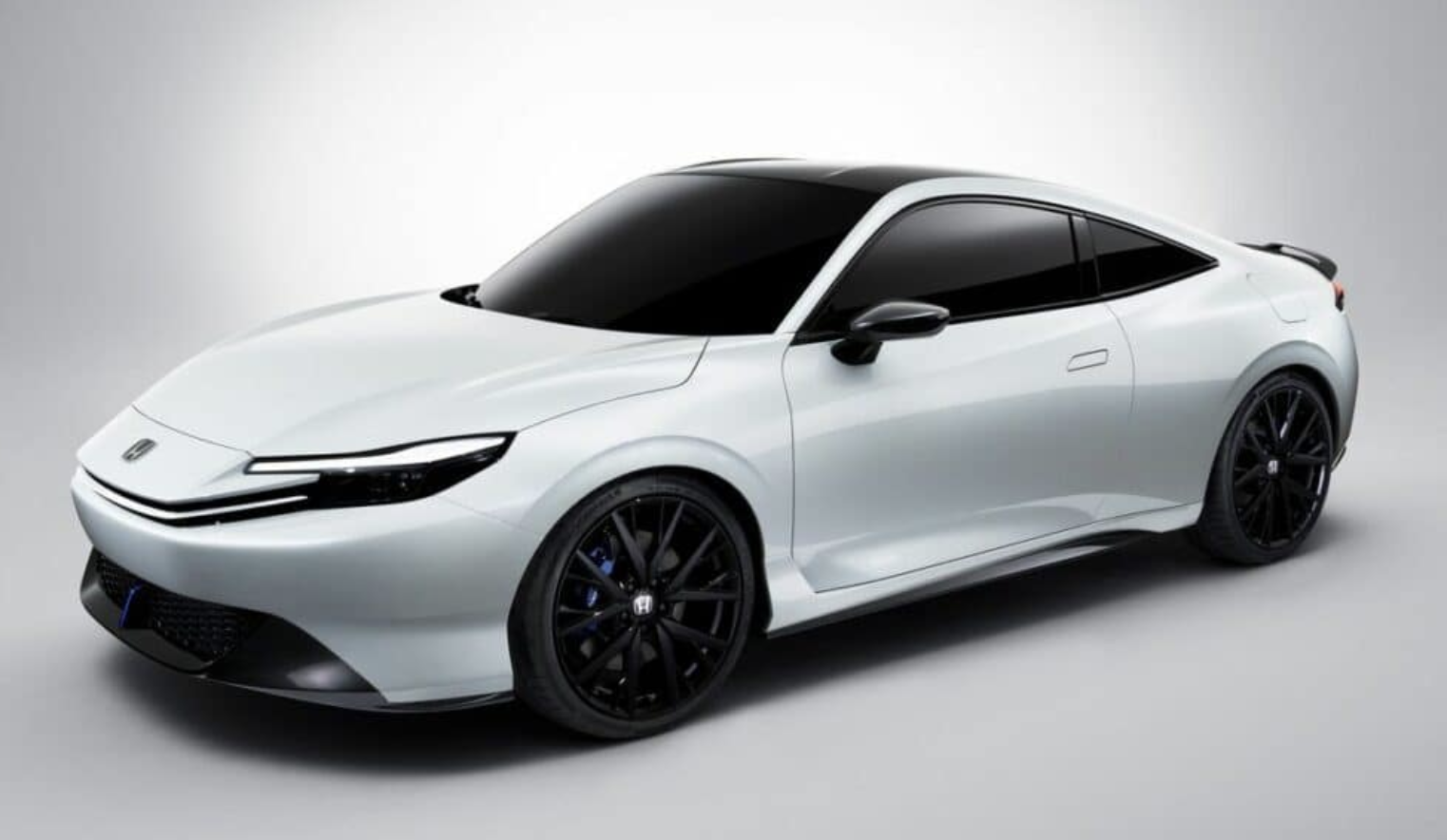
The 2026 Honda Prelude has been generating a lot of buzz since the brand unveiled it as a concept car back in 2023. The name may sound familiar: the Prelude previously existed as a two-door, gas-powered sports coupe. That version was put to rest in 2001, with the Accord and Civic coupes following suit in 2017 and 2020, respectively. The 2026 Prelude is expected to fill the gap the loss of these vehicles created. While it maintains certain beloved features of the original model, it has been totally transformed visually and technologically to suit modern drivers’ preferences and adhere to Honda’s goal of sustainability.
What Type of Car Is the 2026 Honda Prelude?
Just like the original, the 2026 Honda Prelude is a sleek, performance-oriented two-door coupe. While it draws on the rich history of the original Prelude, the new model takes a modern approach with an electric powertrain, updated design, advanced technology, and innovative performance features. With its agile handling and aerodynamic design, the Prelude is set to rekindle the excitement of the brand’s previous sports coupe models.
Is the 2026 Honda Prelude Gas or Electric?
One of the biggest questions surrounding the 2026 Honda Prelude is whether it’ll be gas-powered or electric. The new model will be available with a hybrid and a fully electric version. Honda is moving towards more sustainable driving solutions, and the Prelude will reflect this commitment with eco-friendly powertrains.
The standard Prelude is likely to be front-wheel drive and get at least 204 hp, but likely more since it is meant to be a sports car. The hybrid will likely incorporate a similar system to the Honda Accord hybrid, which uses a 2.0 L four-cylinder engine and an electric motor. That system gets up to 48 mpg on the highway. The Prelude will probably do even better since it is lighter.
How Much Will the 2026 Honda Prelude Cost?
While the exact pricing isn’t confirmed yet, given its performance features and advanced technology, the Prelude is expected to start at around $30,000, with higher trim options potentially reaching up to $38,000. Honda hasn’t announced specific trim levels yet, but it is likely they will want to compete with existing sports coupes, like the Toyota MR86 and the Mazda MX-5 Miata. The Toyota has three trims, and the Mazda has four.
When Will the 2026 Honda Prelude Be Available in the US?
Honda hasn’t announced an official release date for the 2026 Prelude, but it’s expected to hit the US sometime in late 2025 or early 2026. As the date approaches, we will have more detailed information about availability, specs, trims, and price.
Next-Generation Technology in the Honda Prelude
Honda S+ Shift Technology
The 2026 Honda Prelude will be equipped with cutting-edge technology to enhance performance and comfort. Starting with the Prelude, all future Honda Hybrids will be equipped with Honda’s S+ Shift Technology.
Honda S+ Shift is an advanced feature introduced by Honda to enhance the driving experience in its next-generation e:HEV hybrid vehicles. The goal is to provide drivers with a more engaging and responsive feel by simulating gear shifts and synchronizing engine sounds with vehicle speed.
Key Features of Honda S+ Shift:
- Simulated Gear Shifts: Despite the absence of a traditional transmission, S+ Shift emulates gear changes during acceleration and deceleration to simulate a sporty and dynamic driving sensation.
- Enhanced Engine Sound: The system utilizes Active Sound Control (ASC) to amplify engine sounds through the vehicle’s speakers and synchronize the auditory experience with engine RPM and vehicle speed.
- Paddle Shifters: Drivers can manually control simulated gear shifts using paddle shifters mounted behind the steering wheel, providing a hands-on driving experience.
- Improved Acceleration Response: By precisely managing engine RPM and electric motor output, S+ Shift delivers immediate feedback to driver inputs, enhancing acceleration responsiveness.
Honda’s naming of the system is both literal and figurative. The “S” in S+ Shift reflects Honda’s longstanding “sports spirit,” evident in models like the S600 and S2000, while the “+” signifies added value such as Synchronization and Sensation. “Shift” denotes a transition into a future where users rediscover the “joy of driving.”
Following its introduction in the 2026 Prelude, Honda plans to incorporate S+ Shift across all future e:HEV models, aiming to provide an exhilarating and immersive driving experience throughout its hybrid lineup.
Test Drive a Honda Hybrid in Denver
While the 2026 Honda Prelude may not yet be available for test drives, you can experience the next best thing by checking out the 2025 Honda Accord Hybrid Sport at Mile High Honda. Though it’s a 4-door sedan and not a 2-door coupe, the Accord Hybrid Sport offers a similar hybrid driving experience with a sporty edge. With Honda’s hybrid technology, you’ll get a taste of the smooth, responsive power that will define the upcoming Prelude. If you’re interested in experiencing the latest in hybrid technology and performance, visit Mile High Honda to get a glimpse of what the Prelude will bring to the road.
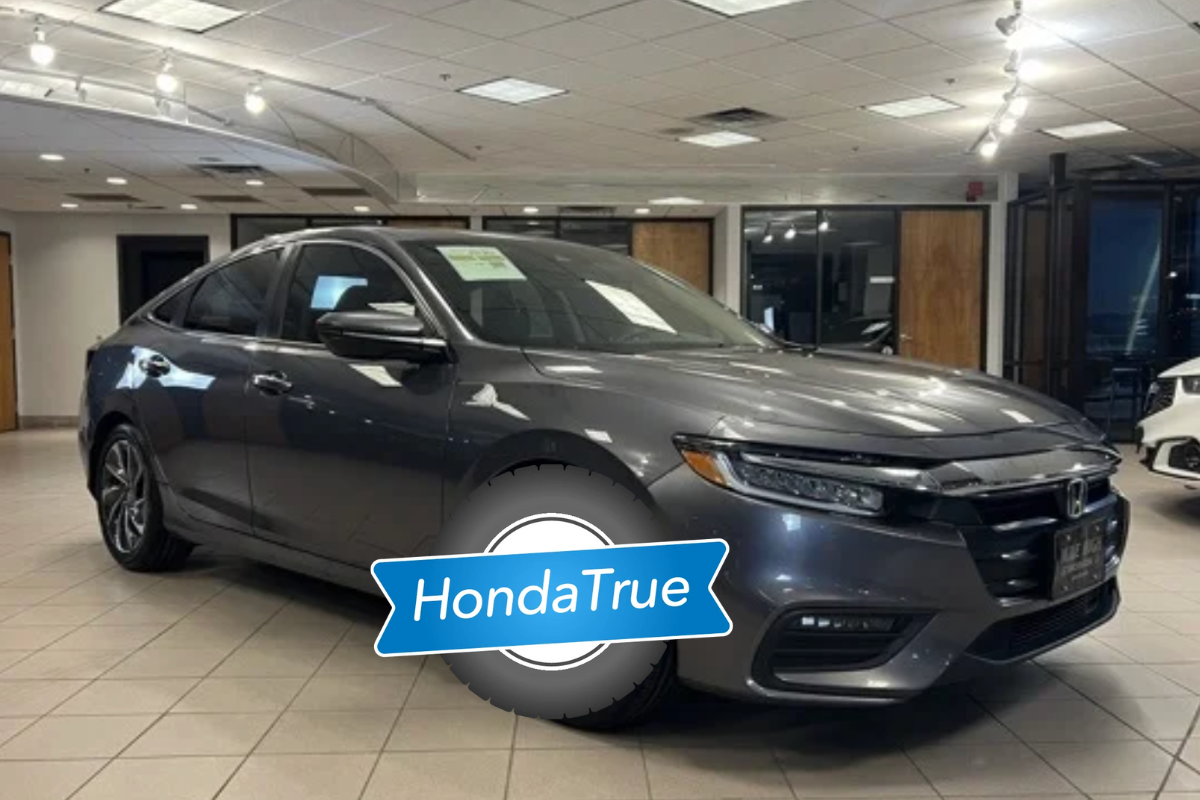
Buying a used Honda is a smart investment given the brand’s reputation for reliability, efficiency, and resale value. However, there are several key factors to keep in mind to ensure you get the best deal possible. In this guide, we’ll help you understand what to look for when choosing a used Honda, including a few examples of the best years and models.
Why Buy a Used Honda?
1. Reliability
Honda” and “reliable” are virtually synonymous in the car industry. According to a survey (albeit a fairly old one), no other vehicle beats Honda for longevity. At the time of the survey, over 75% of Honda’s sold in the previous 25 years were still being driven. Every single Honda model consistently ranks high in reliability ratings, meaning you can expect your used Honda to last for many years with proper maintenance. Many Honda owners report driving their vehicles well past 200,000 miles with minimal major repairs.
2. Fuel Efficiency
Most Honda models, especially the Civic and Accord, offer excellent fuel economy, helping you save on gas costs over time. Honda’s efficient engineering means that even their SUVs and larger vehicles often achieve impressive mileage compared to competitors.
Honda is also the proud creator of the first mass-produced hybrid in North America and has since produced and introduced its first all-electric SUV last year: the Honda Prologue.
3. Resale Value
Honda vehicles hold their value better than many competitors, so when it’s time to sell or trade in, you’ll likely get a good return. Kelley Blue Book has consistently ranked Honda models among the best for resale value in their respective categories. For example, The Honda CR-V ranked #2 on their list of 2024 SUVs with the best resale value, and the 2024 Honda Civic and 2024 Honda accord were #1 and #2, respectively, for cars.
4. Affordable Maintenance
Compared to other brands, Honda vehicles are relatively inexpensive to maintain and repair. Most models beat the competition by thousands of dollars annually, and Honda is less likely than most to need a major repair within the first decade of ownership.
5. Advanced Safety Features
Even older Honda models come equipped with top-tier safety features, such as Honda Sensing technology, lane departure warnings, and collision mitigation braking. These features help make Honda vehicles some of the safest on the road. Furthermore, these safety features come standard regardless of trim. In other words, you don’t have to pay more for safety when it comes to a Honda.
What Does Certified Pre-Owned Mean on a Used Honda?
A Certified Pre-Owned (CPO) Honda is a used Honda vehicle that has passed a rigorous inspection and comes with added benefits. You can only purchase a CPO Honda at an authorized dealer. Be wary of private sellers touting a vehicle as CPO.
Honda’s CPO program, HondaTrue, includes the following benefits:
1. Multi-Point Inspection
Every CPO Honda goes through a comprehensive 182-point inspection to ensure it meets Honda’s strict quality standards. This includes checking the engine, transmission, brakes, suspension, and electrical systems.
2. Extended Warranty Coverage
Certified Hondas come with a 7-year/100,000-mile powertrain warranty and a 12-month/12,000-mile non-powertrain coverage. Some models may also include additional limited warranties depending on the dealership.
3. Roadside Assistance
Honda CPO vehicles include roadside assistance, which helps you with services like towing, jump-starts, and lockout assistance. This can be a major benefit for those who travel frequently or get stuck in bad weather.
4. Free Vehicle History Report
Each CPO Honda comes with a CARFAX or AutoCheck report, so you can check for previous accidents and ownership history..
5. Special Financing Options
Many Honda dealerships often offer competitive financing rates for CPO vehicles. Because the loan is lower risk, buyers may enjoy lower interest rates that can make monthly payments more affordable compared to buying from a private seller.
Top Used Honda Models to Consider
1. Used Honda Civic
- Why It’s Great: The Civic is one of the most reliable and fuel-efficient compact cars on the market. It boasts a comfortable ride, modern tech features, and a reputation for longevity. Its sporty design and fun-to-drive nature also make it a popular choice.
- Best Model Years: Look for 2016 and newer models for updated safety and infotainment features. The 10th generation (2016-2021) offers turbocharged engines, while the 11th generation (2022 and newer) features enhanced technology and improved fuel economy.
- Fuel Economy: Up to 36 mpg combined (depending on the model year and trim).
- Common Features: Apple CarPlay, Android Auto, Honda Sensing safety features, and available manual transmission options for old-school drivers.
2. Used Honda CR-V
- Why It’s Great: As one of the best-selling compact SUVs, the CR-V offers spacious cargo capacity, excellent safety ratings, and great fuel efficiency. It’s an ideal choice for families and commuters alike.
- Best Model Years: The 2017 and newer CR-V models feature turbocharged engines and updated tech. The 2020 and newer models offer a hybrid option for even better fuel efficiency.
- Fuel Economy: Around 30 mpg combined.
- Common Features: Honda Sensing, spacious cargo area, available all-wheel drive, and comfortable seating for five passengers.
3. Used Honda Pilot
- Why It’s Great: If you need a reliable, family-friendly SUV with three rows of seating, the Honda Pilot is a fantastic choice. It’s known for a smooth ride, ample storage, and powerful performance.
- Best Model Years: The 2016 and newer models offer modern safety features and better fuel efficiency. The 2023 model introduced an off-road-focused TrailSport trim.
- Fuel Economy: Around 23 mpg combined.
- Common Features: Honda Sensing, available all-wheel drive, V6 engine, spacious third-row seating, and a rear entertainment system in higher trims.
Tips for Buying a Used Honda
1. Check the Vehicle’s History
Always obtain a CARFAX or AutoCheck report to ensure the vehicle has no major accidents, title issues, or excessive previous owners.
2. Test Drive Multiple Models
Even within the same model, different trims and years can have varying driving dynamics and comfort levels. Test driving helps you determine which version suits you best.
3. Get a Pre-Purchase Inspection
Have a trusted mechanic inspect the vehicle before purchasing, especially if buying from a private seller.
4. Negotiate the Price
Research the vehicle’s market value using sources like Kelley Blue Book and Edmunds to ensure you’re getting a fair deal. Don’t hesitate to negotiate, especially if the vehicle has minor cosmetic flaws or higher mileage.
5. Consider Buying from a Certified Honda Dealer
While private sellers and independent dealers may offer lower prices, buying a HondaTrue certified vehicle from an authorized Honda dealership guarantees the vehicle’s quality and offers added benefits, including extended warranty, roadside assistance, and lower interest rates.
Shop For A Used Honda In Denver
Ready to purchase a great car you’ll love driving for years, even decades to come? Visit our Honda dealership in Denver to view our inventory of certified pre-owned Hondas and take one (or several) out for a test drive today!

College students need a car that checks three essential boxes: reliability, affordability, and style. Whether commuting to campus, heading home for the weekend, or taking a road trip with friends, the right vehicle will keep things fun, comfy, and safe. Honda, a brand known for its dependability, offers several models that fit the bill. Here’s why the 2025 Honda Civic, 2025 Honda Accord, and 2025 Honda HR-V are some of the best cars for college students.
2025 Honda Civic: The Classic Choice for Students

The Honda Civic has long been a favorite among college students due to its affordability, fuel efficiency, and modern design. After all, just because a car is affordable doesn’t mean it has to look like a junker!
- Price: Starting at around $24,000, the Civic is budget-friendly while offering a solid range of features.
- Dimensions: A compact sedan with a length of approximately 184 inches, width of 71 inches, and a height of 56 inches.
- Tech & Comfort Features:
- 7-inch touchscreen infotainment system with Apple CarPlay and Android Auto.
- Honda Sensing safety suite, including collision mitigation braking and lane-keeping assist.
- Comfortable cloth seats and a spacious cabin for a compact sedan.
- Fuel Economy: 31 MPG city / 40 MPG highway, making it a cost-effective option for students on a budget. A hybrid trim is available that bumps the price up a bit, but students can qualify for a $7500 tax credit and safe loads on fuel in the long-term.
2025 Honda Accord: More Space, More Comfort

For students who want a midsize sedan with a little more room and a more upscale feel, the Honda Accord is a great choice.
- Price: Starting at around $28,000, the Accord is slightly pricier than the Civic but still affordable (and quite a bit roomier).
- Dimensions: Larger than the Civic, with a length of about 195 inches, width of 73 inches, and a height of 57 inches.
- Tech & Comfort Features:
- 7-inch touchscreen with Apple CarPlay and Android Auto (higher trims get a larger screen).
- Honda Sensing suite for safety and driver assistance.
- More rear passenger space and trunk storage, perfect for road trips and moving between dorms.
- Fuel Economy: 29 MPG city / 37 MPG highway, offering efficiency without sacrificing size and comfort. Again, a hybrid trim is available at a higher price tag but comes with the long-term benefits of owning a partially electric car.
2025 Honda HR-V: The Perfect All-Terrain Option for Students

For students who need an SUV with all-terrain capabilities—whether for winter weather, weekend adventures, or off-campus commuting—the Honda HR-V is an excellent choice.
- Price: Starting at approximately $25,500, making it an affordable SUV option.
- Dimensions: Subcompact SUV with a length of 179 inches, a width of 72 inches, and a height of 63 inches.
- Tech & Comfort Features:
- 7-inch touchscreen with Apple CarPlay and Android Auto.
- Honda Sensing safety technology.
- Versatile Magic Seat for customizable cargo space.
- Fuel Economy: 26 MPG city / 32 MPG highway, offering a good balance between efficiency and capability.
The Best Cars For College Students Should Be Safe, Too!
A dedication to safety is another thing that sets Honda apart. Honda does not charge extra for safety features–every car comes with the entire HondaSensing safety suite. This means lane assist, brake assist, parking assist, adaptive cruise control, and the all-important Collision Mitigating Defense SystemTM that automatically brakes the vehicle when an unavoidable crash is detected.
Long Story Short: Which Honda is Best for You?
- If you want the best fuel economy and a compact size, go with the Honda Civic.
- If you need more space and comfort, the Honda Accord is a solid step up.
- If you want a vehicle with more cargo space and all-terrain capability, the Honda HR-V is the way to go.
No matter which one you choose, Honda offers an excellent mix of reliability, affordability, and style—making these models perfect for college students.
Shop For Your College Student’s Next Car In Colorado
In Colorado, you need a car that can tackle the state’s harsh winters and rugged terrain. Stop by our Colorado Honda dealership to check out our available AWD vehicles and ultra-reliable sedans. Or, go online and peruse what we have in stock.
Road Trip! Step Inside The 2025 Honda Passport
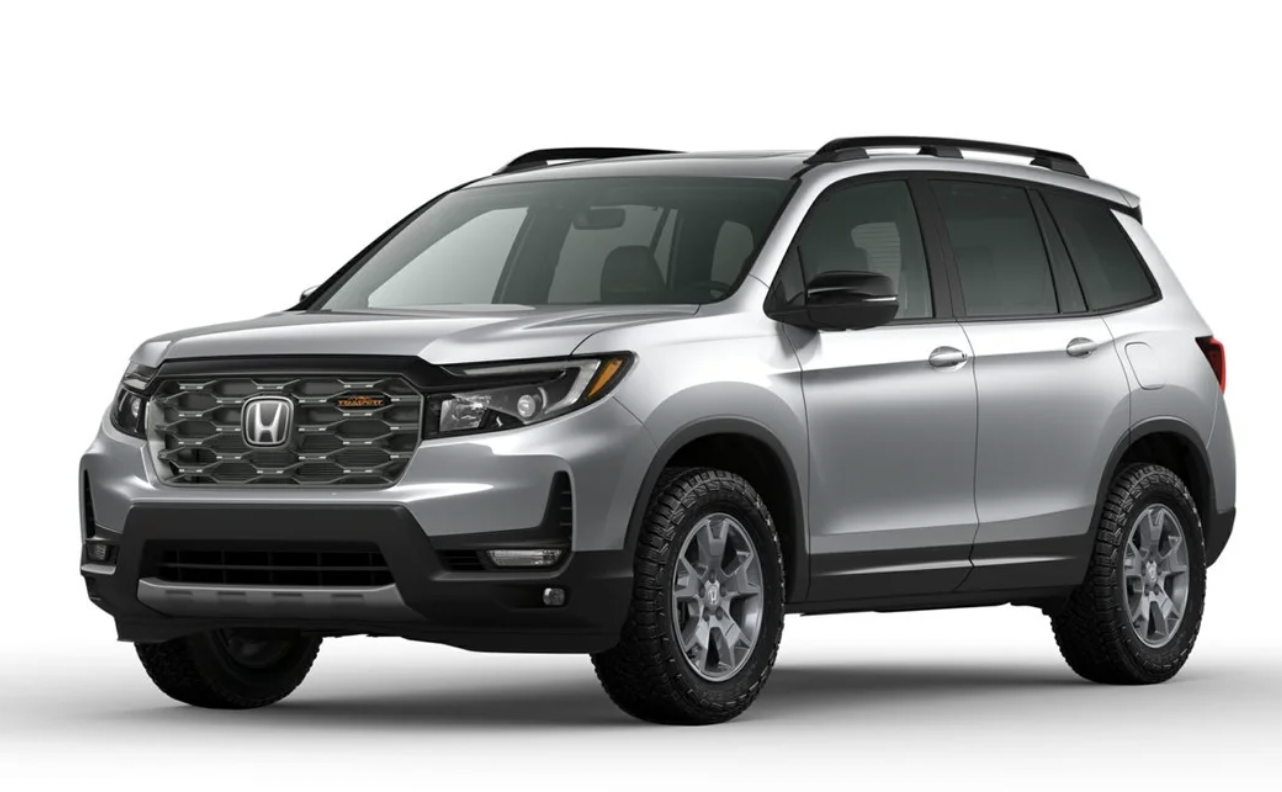
The 2025 Honda Passport is a versatile midsize SUV that seamlessly blends performance, comfort, and advanced features, making it an excellent choice for families and outdoor enthusiasts (which, aren’t we all in Colorado?). Let’s take a look at some of the best features of the 2025 Honda Passport as we await the arrival of the newly-designed 2026 model.
2025 Honda Passport Engine Specifications
All trims of the 2025 Honda Passport are powered by a 3.5-liter V6 engine producing 280 horsepower and 262 lb-ft of torque, paired with a 9-speed automatic transmission. The standard intelligent Variable Torque Management™ (i-VTM4®) AWD system ensures optimal traction across various terrains, such as sand and snow.
Fuel Economy
The Passport delivers an EPA-estimated 19 MPG in the city and 24 MPG on the highway.
Dimensions, Cargo Space, and Towing Capacity
- Dimensions: The 2025 Honda Passport measures 189.1 inches in length, 78.6 inches in width, and 72.2 inches in height, with a wheelbase of 110.9 inches.
- Cargo Space: Offers 50.5 cubic feet behind the rear seats, expanding to 100.8 cubic feet with the rear seats folded down.
- Towing Capacity: Capable of towing up to 5,000 pounds-plenty for a small trailer with camping equipment or luggage.
- Leg Room: The 2025 Passport is designed with families in mind, offering spacious seating for five and ample legroom (40.9 inches front, 39.6 inches rear). Kids, teens, and even adults can stretch out comfortably on road trips in the back row.
Trim Options For The 2025 Honda Passport
The 2025 Honda Passport is available in three trims:
- 2025 Honda Passport EX-L: Starting at $42,400, this base model includes leather-trimmed seats, a heated, leather-wrapped steering wheel, a power moonroof, and a 7-speaker audio system. As far as tech, standard features include:
- Apple CarPlay®* Compatibility
- Android Auto™* Compatibility
- Wireless Phone Charger*
- Smart Entry w/Walk Away Auto Lock®
- Bluetooth® Streaming Audio*
- Front, Center Console, and 2nd-Row USB Ports
- 8-Inch Display Audio Touch-Screen
- Push Button Start
- 2025 Honda Passport TrailSport: Priced at $45,000, it adds off-road enhancements like all-terrain tires, skid plates, LED low beams and fog lights, and a tuned suspension for rugged terrains. The leather trimmed seats and leather-wrapped steering wheel are enhanced with bold orange stitching. The Trailsport also comes equipped with the Honda satellite-linked navigation system.
- 2025 Honda Passport Black Edition: At $48,470, this top-tier trim offers premium features. As the name suggests, it is blacked out with 20 inch gloss black wheels, a Crystal Black Pearl exterior finish, and black leather-trimmed interior with black stitching. The leather-wrapped steering wheel is also heated, and the audio system has been upgraded to a 10-speaker Bose audio system. The touch screen is an inch wider, and the vehicle has wifi hotspot capability along with several USB ports in front and back.
2025 Honda Passport Safety Features
All new Honda’s come equipped with the full HondaSensing suite of safety features, regardless of the trim. That’s because Honda feels that safety shouldn’t have to be paid for. All vehicles include:
Collision Mitigation Braking System™ (CMBS™)
- Uses a forward-facing camera and radar to detect potential frontal collisions.
- If a potential collision is detected, it provides visual and audio warnings.
- If the driver doesn’t respond, the system can automatically apply the brakes to help reduce impact severity or avoid a collision altogether.
Road Departure Mitigation System (RDM)
- Uses a camera to detect lane markings and road edges.
- If the system detects that the vehicle is unintentionally leaving the road, it can:
- Provide steering assistance to keep you in your lane.
- Apply braking pressure if needed to prevent leaving the roadway.
Blind Spot Information System (BSI) with Cross Traffic Monitor
- Blind Spot Information System:
- Uses radar sensors to detect vehicles in your blind spots.
- Alerts you with a visual indicator on the side mirror when a vehicle is in your blind spot.
- Cross Traffic Monitor:
- Helps when backing out of a parking space by detecting approaching vehicles from the side.
- Provides audible and visual warnings to prevent collisions.
Multi-Angle Rearview Camera
- Provides three different viewing angles (Normal, Top-Down, and Wide) to improve visibility when reversing.
- Helps reduce blind spots and avoid obstacles behind the vehicle.
- Some models feature dynamic guidelines that adjust based on steering input.
Adaptive Cruise Control (ACC)
- Works like traditional cruise control but automatically adjusts speed to maintain a safe following distance.
- Uses radar and cameras to detect vehicles ahead and can:
- Slow down or speed up as needed.
- In some models, it includes Low-Speed Follow, which allows the car to stop and go in traffic.
Lane Keeping Assist System (LKAS)
- Uses a camera to detect lane markings.
- Provides gentle steering assistance to help keep the vehicle centered in its lane.
- Works best on highways and reduces driver fatigue error during long trips.
Parking Sensors
- Uses ultrasonic sensors in the front and rear bumpers.
- Alerts the driver with audible beeps and visual cues when approaching obstacles.
- Beeps increase in frequency as the vehicle gets closer to an object, helping prevent parking mishaps.
Available Colors for The 2025 Honda Passport
The 2025 Passport comes in 6 exterior colors:
- Radiant Red Metallic II
- Sonic Gray Pearl
- Platinum White Pearl
- Crystal Black Pearl
- Diffused Sky Blue Pearl
- Lunar Silver Metallic
Where To Buy A 2025 Honda Passport In Colorado?
Here, of course! At Mile High Honda, we have a variety of the 2025 Honda Passport trims in stock and ready for a test drive. If you need more room, we also have plenty of the 2025 Honda Pilot available as well. Drop by our dealership or go online to scope out your next dream car.
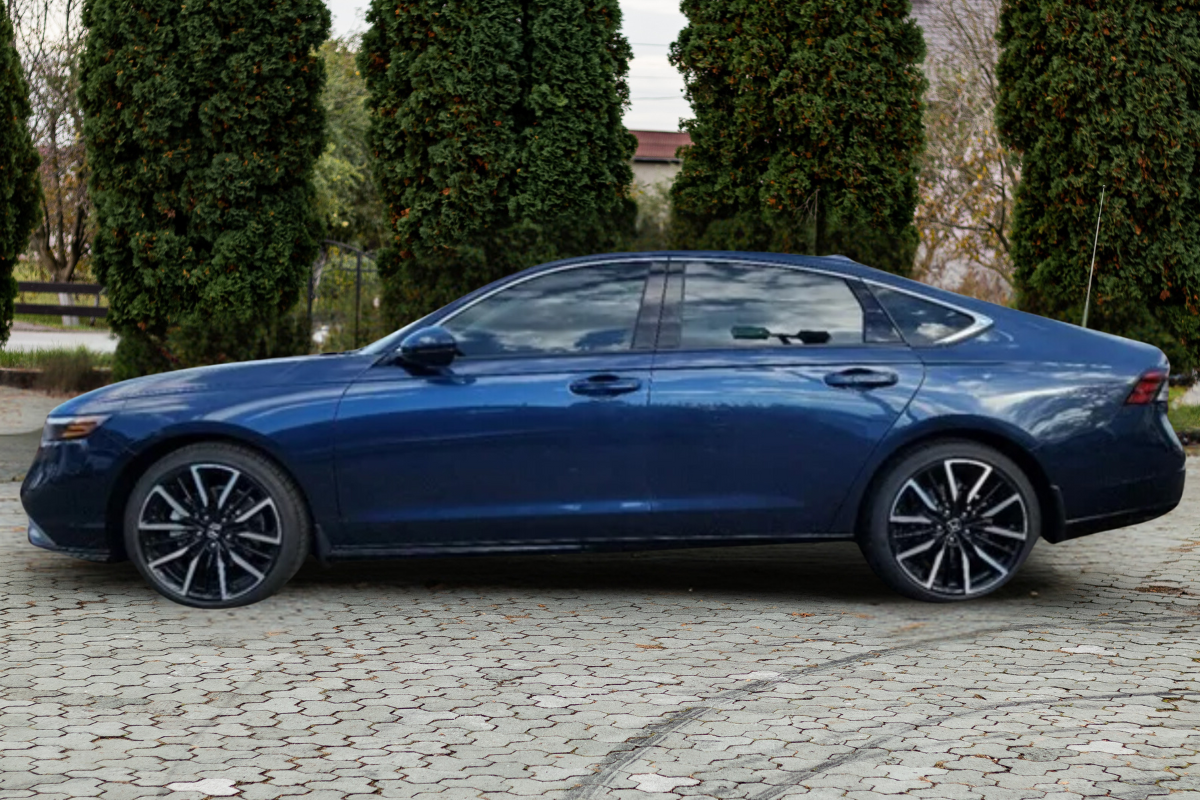
The 2025 Honda Accord Hybrid Touring is the top-tier trim in Honda’s Hybrid lineup. It offers an impressive blend of advanced technology, plush comfort, and fantastic fuel economy. Drivers who want style, performance, practicality, and the opportunity to reduce their carbon footprint will find a one-stop shop in the Honda accord Hybrid Touring. Keep reading to learn why.
How Many MPG Does the 2025 Honda Accord Hybrid Touring Get?
The 2025 Honda Accord Hybrid Touring delivers an impressive EPA estimated 46 MPG in the city, 41 MPG on the highway, and 44 MPG combined. This efficiency makes it an excellent choice for drivers who want to save on fuel (it ain’t cheap these days!) and also do their part to reduce emissions. In fact, Drawdown.org estimates that by 2050, hybrid vehicles in the US will reduce emissions by as much as 4.7 GIGAtons. If you didn’t know, a gigaton is equal to 2.2 TRILLION pounds. Multiply that by 4.7, and we’re talking over 10 trillion pounds of emissions of greenhouse gases.
How Many Miles Can the Honda Accord Hybrid Touring Go on a Single Tank?
With a fuel tank of about 12.81 gallons, the 2025 Honda Accord Hybrid Touring is estimated to travel 589.26 city miles and 525.21 highway miles on a full tank and under optimal driving conditions. This impressive range makes it a great vehicle for long road trips and daily commutes. In theory, you could drive across the entire state of Colorado from east to west and still have 200 miles to spare.
Is the 2025 Honda Accord Touring a Luxury Car?
While the 2025 Honda Accord Hybrid Touring isn’t, technically, classified as a luxury car, it sure does feel like one. It is packed with premium features that rival many high-end sedans. The leather trimmed seats are heated and ventilated, and the leather-wrapped steering wheel is also heated for chilly days. There is a massive, 12.3 inch color touch-screen (with Google built in), a customizable 10.2” digital instrument cluster, a one touch power moonroof, and a premium Bose sound system with TWELVE speakers.
What Other Features Are Included in the 2025 Honda Accord Touring Hybrid Trim?
Comfort aside, the 2025 Honda Accord Hybrid Touring is tricked out with plenty of other tech and convenience features that elevate the driving experience:
Tech Features
- Wireless Apple CarPlay® and Android Auto™ compatibility
- Wireless phone charger
- 6-inch head-up display
- Dual-zone automatic climate control system
- Multi-angle rearview camera with dynamic guidelines
- Blutooth Streaming Audio
- Front and rear USB ports
Convenience
- Power windows with auto-up/Down driver’s and front passenger’s windows
- Power door locks/Programmable auto-locking doors
- Push button start
- Remote engine start
- Self-opening trunk
- Tilt and telescopic steering column
- Push-open fuel door with capless fuel filler
- Sunglasses holder
- Illuminated steering wheel-mounted controls
- Lockable glove compartment
- Leather-wrapped steering wheel
- Leather-wrapped shift knob
- Automatic-dimming rearview mirror
What Interior/Exterior Color Options Are Available?
The 2025 Honda Accord Hybrid Touring interior options are black and grey. There are several more options for the exterior color:
- Canyon River Blue Metallic
- Crystal Black Pearl
- Meteorite Gray Metallic
- Platinum White Pearl
- Radiant Red Metallic
- Solar Silver Metallic
- Urban Gray Pearl
How Much Does a 2025 Honda Accord Touring Hybrid Cost?
The starting MSRP for the 2025 Honda Accord Hybrid Touring is $39,300. Not bad for a mid-size sedan with all the above mentioned bells and whistles.
Is the 2025 Honda Accord Touring Worth the Price?
Considering the blend of performance, fuel efficiency, and premium features, the 2025 Honda Accord Hybrid Touring offers great value. While it might not carry a luxury title, its amenities and build quality rival those of higher-end vehicles, which makes it a compelling choice for those wanting a luxury driving experience without the luxury price tag. Add in Honda’s reputation for reliability and the fact that these cars hold onto their value way longer than their competitors, and you’ve got yourself a sweet deal, in our opinion.
Where to Buy a 2025 Honda Accord Hybrid in Colorado
The best way to experience the 2025 Honda Accord Hybrid Touring is to get behind the wheel and see its luxury features, advanced technology, and smooth hybrid performance in action. Whether you’re drawn to its fuel efficiency or premium interior, a test drive will show you why this sedan is a standout choice. Visit Mile High Honda to take the 2025 Honda Accord Hybrid Touring for a spin and discover how it fits your driving needs.
Honda Maintenance 101

Regular maintenance is essential to keeping your Honda running smoothly and efficiently. The Honda Maintenance Minder system helps drivers stay informed about necessary services. Everyone is familiar with icons popping up on their car’s dashboard. These codes can tell you what might need changing, updating, or replacing. Understanding these codes and following recommended maintenance schedules can prolong your vehicle’s lifespan and enhance its performance.
What Is the Honda Maintenance Minder System?
Honda’s Maintenance Minder system monitors various vehicle parameters to determine when maintenance is required. It displays codes when something that needs addressing is detected. Not all Hondas are equipped with this technology, but there are still codes that will alert based on mile usage.
What Is Routine Maintenance on a Honda?
- Honda Service A: Replace the engine oil and filter.
- Honda Service B: This includes replacing the engine oil and filter, cleaning and lubricating the front and back brakes, checking and adjusting the parking brake, and inspecting the brake components.
Sample Honda Maintenance Schedules
While all Honda’s follow a similar maintenance protocol, their needs do vary somewhat depending on the model. The following are sample Honda maintenance schedules for the Civic, CR-V, and Ridgeline. In general, you can expect similar schedules for a Honda sedan, SUV, and midsize truck, respectively.
Honda Civic Maintenance Schedule
At 7,500 – 22,500 – 37,500 – 52,500 – 67,500 – 82,500 miles:
- Oil and filter change
- Brake inspection
- Throttle linkage lubrication
- Fluid level check and replacement
- Tire wear and pressure inspection
- Tire rotation
At 15,000 – 45,000 – 75,000 – 105,000 miles, perform all of the above and:
- Lubrication of chassis and hinges
- Replacement of the oil drain plug
- Wheel balancing
- Undercarriage and shocks inspection
- Clutch pedal adjustment
- AC and heater inspection
- Transmission service
- Parking brake check
- Spark plug replacement
- Windshield wiper replacement
- Drive shaft bolt re-torque
- And inspection of the lights
- Steering systems
- Fuel systems
- Differential oil
- Brake linings
At 30,000 – 60,000 – 90,000 – 120,000 miles, inspect everything above and:
- Service the PCV valve
- Battery service and cable cleaning
- Differential oil replacement
- Fuel tank cap gasket inspection
- Fuel lines inspection
- Transfer case oil check
- Air elements inspection
- Check all exterior and interior lamps
- Lubrication of the propeller shaft and wheel bearings
- Propeller shaft flex coupling inspection
- Road test
Honda Ridgeline Maintenance Schedule
At 7,500 – 22,500 – 37,500 – 52,500 – 67,500 – 82,500 miles:
- Replace engine oil
- Rotate tires
At 15,000 miles:
- Replace engine oil
- Rotate tires
- Replace the engine oil filter
- Inspect front and rear brakes
- Check parking brake adjustment
- Inspect tie rods/steering gearbox and boots
- Inspect suspension components
- Inspect drive shaft boots
- Inspect brake hoses and lines
- Check all fluid levels/conditions/leaks
- Inspect cooling system hoses and connections
- Inspect exhaust system
- Inspect fuel lines and connections
At 30,000 miles:
- Check valve clearance
- Replace the engine oil filter
- Inspect front and rear brakes
- Check parking brake adjustment
- Inspect tie rods/steering gearbox and boots
- Inspect suspension components
- Inspect drive shaft boots
- Inspect brake hoses and lines
- Check all fluid levels/conditions/leaks
- Inspect cooling system hoses and connections
- Inspect exhaust system
- Inspect fuel lines and connections
- Replace air cleaner element
- Replace spark plugs
- Inspect and adjust drive belts
At 45,000 – 75,000 miles:
- Replace coolant and brake fluid
- Replace the engine oil filter
- Inspect front and rear brakes
- Check parking brake adjustment
- Inspect tie rods/steering gearbox and boots
- Inspect suspension components
- Inspect drive shaft boots
- Inspect brake hoses and lines
- Check all fluid levels/conditions/leaks
- Inspect cooling system hoses and connections
- Inspect exhaust system
- Inspect fuel lines and connections
At 60,000 miles:
- Replace engine oil
- Rotate tires
- Replace the engine oil filter
- Inspect front and rear brakes
- Check parking brake adjustment
- Inspect tie rods/steering gearbox and boots
- Inspect suspension components
- Inspect drive shaft boots
- Inspect brake hoses and lines
- Check all fluid levels/conditions/leaks
- Inspect cooling system hoses and connections
- Inspect exhaust system
- Inspect fuel lines and connections
- Replace air cleaner element
- Replace spark plugs
- Inspect and adjust drive belts
At 90,000 – 105,000 – 120,000 miles:
- Replace brake fluid
- Replace transmission fluid
- Replace the engine oil filter
- Inspect front and rear brakes
- Check parking brake adjustment
- Inspect tie rods/steering gearbox and boots
- Inspect suspension components
- Inspect drive shaft boots
- Inspect brake hoses and lines
- Check all fluid levels/conditions/leaks
- Inspect cooling system hoses and connections
- Inspect exhaust system
- Inspect fuel lines and connections
- Replace air cleaner element
- Replace spark plugs
- Inspect and adjust drive belts
Honda CR-V Maintenance Schedule
At 7,500 – 22,500 – 37,500 – 52,500 – 67,500 – 82,500 miles, these should be looked at:
- Check and replace fluids.
- Oil and filter change.
- Inspect tire treads.
- Check tire pressure.
- Rotate tires.
- Inspect brakes.
- Lubricate throttle linkage.
At 15,000 – 45,000 – 75,000 – 105,000 miles, perform these:
- Lubricate chassis and hinges.
- Replace the oil drain plug and gasket.
- Replace windshield wipers.
- Replace spark plugs (if necessary).
- Rotate and balance wheels
- Inspect undercarriage
- Inspect shocks and struts
- Inspect and adjust the clutch pedal
- Check AC and heater operation
- Replace the air conditioning filter
- Service transmission
- Inspect park brake
- Re-torque drive shaft
- Check interior lamps and exterior lamps
- Check steering systems
- Inspect the steering gearbox
- Check steering wheel
- Check fuel systems
- Check differential oil
- Check brake linings and hoses.
At 30,000 – 60,000 – 90,000 – 120,000 miles:
- Service the PCV valve
- Inspect the fuel tank cap gasket
- Check fuel lines and connections
- Service transmission
- Service battery and clean cables
- Replace differential oil
- Inspect transfer case oil
- Inspect air elements
- Inspect all exterior and interior lamps
- Lubricate propeller shaft
- Lubricate wheel bearings
- Propeller shaft flex coupling inspection
- Check battery and clean terminals
- Road test and quality control
Honda Maintenance Codes
The Maintenance Minder System uses main codes (A or B) and sub-codes (numbers 1-7) to indicate specific services.
Main Honda Maintenance Codes
As mentioned earlier, the main Honda codes are:
- Service A: Replace the engine oil.
- Service B: Replace engine oil and oil filter, inspect brakes, and check systems and components.
Sub-Codes for Honda Maintenance
1: Rotate tires.
2: Replace the cabin and engine air filters.
3: Replace transmission fluid.
4: Replace spark plugs, timing belt, and adjust valves.
5: Replace engine coolant.
6: If applicable, replace the rear differential fluid.
7: Replace brake fluid.
Are Hondas Expensive to Maintain?
Hondas are known for their reliability and relatively low maintenance costs compared to other brands. According to CarEdge, Honda owners spend an average of $6684 during the first ten years of ownership. That beats other brands by $1615. They are also less likely to need a major repair than their competitors. Performing routine maintenance reduces that likelihood even further.
Should I Go to the Honda Dealer for Service?
While independent mechanics can perform routine maintenance, servicing your vehicle at a Honda dealership ensures that trained technicians use genuine Honda parts and follow manufacturer guidelines. This can be particularly beneficial for complex repairs or services. Additionally, if your car is still under warranty, getting it repaired at a Honda dealer ensures that the warranty isn’t voided.
Schedule Honda Maintenance in Denver
For Honda owners in the Denver area, Mile High Honda offers comprehensive maintenance services performed by certified technicians. Regularly scheduled maintenance can help keep your vehicle running at its best. Schedule service for your Honda here and get peace of mind knowing your vehicle is in expert hands.
Connect with us


