

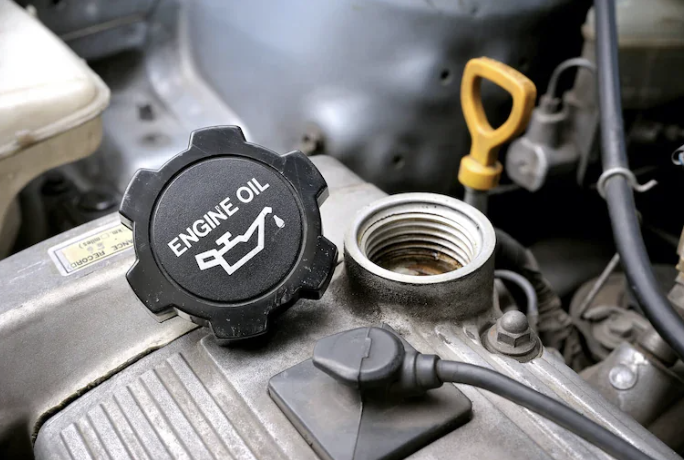
Keeping up with regular oil changes is one of the most important things you can do to extend the life of your Honda. Oil is critical to the health of your engine: it lubricates the moving parts, which prevents friction and overheating. In extreme cases, old oil or low levels can cause engine failure. Long story short: don’t skip your Honda oil change!
How Often Does a Honda Need an Oil Change?
Honda generally recommends changing the oil every 7,500 to 10,000 miles for vehicles using full synthetic oil. However, if your Honda uses conventional oil, an oil change is needed every 3,000 to 5,000 miles. Always refer to your owner’s manual for your specific model’s recommendations. Additionally, if you drive in extreme conditions—such as stop-and-go traffic, mountainous terrain, or extreme weather—you may need to change the oil more frequently.
If you frequently take short trips where the engine doesn’t fully warm up, condensation and fuel residues can accumulate in the oil, causing it to degrade faster. For those who put relatively few miles on their Honda, it’s still recommended to change the oil at least once a year to prevent sludge buildup.
What Other Factors Affect Oil Life?
Several factors influence how quickly your oil degrades, including:
- Driving Conditions – Frequent stop-and-go driving, short trips, and extreme weather (hot or cold) can break down oil faster.
- Oil Type – Synthetic oil lasts longer and performs better under extreme conditions than conventional oil.
- Engine Load – Towing, carrying heavy loads, or aggressive driving can strain the engine and wear down oil faster.
- Climate – If you live in an area with extreme temperatures, your oil may break down faster, requiring more frequent changes.
- Engine Age – Older engines may burn oil more quickly or develop leaks, requiring closer monitoring of oil levels and more frequent changes.
- Oil Quality – Low-quality oil or using the wrong oil viscosity can shorten oil life and lead to potential engine problems.
Will My Honda Tell Me If It Needs an Oil Change?
Yes! Most newer Honda models come with the Honda Maintenance Minder System, which monitors oil life and alerts you when an oil change is needed. Instead of following a fixed mileage schedule, this system uses sensors to assess oil quality and engine conditions, providing a more accurate estimate of when to change your oil. This ensures you don’t change the oil too soon or too late.
What is the Honda Maintenance Minder System?
The Honda Maintenance Minder System is an onboard monitoring system that tracks oil life and overall vehicle maintenance needs. It uses a percentage scale (from 100% down to 0%) to indicate when an oil change is needed. When the oil life reaches 15%, you’ll see a reminder on the dashboard. If it reaches 5%, the system will indicate that an oil change is urgent.
This system also provides service codes, such as A1 or B1, which indicate other necessary maintenance tasks like tire rotations or air filter replacements. Checking your owner’s manual can help you understand what each code means. Some common Maintenance Minder codes include:
- A1 – Oil change and tire rotation
- B1 – Oil change, tire rotation, and additional inspections (brakes, suspension, etc.)
- B2 – Oil change, air filter replacement, and cabin air filter replacement
Following the Maintenance Minder System ensures that your Honda receives timely maintenance without unnecessary service costs. It also helps maintain resale value, as a well-maintained vehicle is more appealing to potential buyers.
Can I Drive a Honda With 15% Oil Life?
If your Honda’s Maintenance Minder system shows 15% oil life, that means it’s getting close to the time for an oil change, but it’s not urgent yet. At this point, you should schedule an oil change soon to avoid hitting 0% oil life, which means the oil is fully depleted and could cause engine damage if you continue driving.
While driving at 15% oil life isn’t immediately harmful, pushing it too far can lead to increased engine wear, reduced efficiency, and even potential long-term damage. If you see the oil life drop below 5%, it’s recommended to get an oil change as soon as possible.
Should I Do A Honda Oil Change Myself?
If you’re comfortable with basic car maintenance, doing your own oil change can save money. However, it requires the right tools, materials, and knowledge. Here’s a basic outline of the process:
- Gather Supplies – You’ll need the correct type of oil (check your owner’s manual), an oil filter, an oil drain pan, a wrench, and a funnel.
- Drain the Old Oil – Locate the drain plug under the engine, place the drain pan beneath it, and remove the plug to let the old oil drain completely.
- Replace the Oil Filter – Unscrew the old oil filter, install the new one, and make sure it’s properly tightened.
- Add Fresh Oil – Pour the new oil into the engine through the oil fill cap, then check the oil level with the dipstick.
- Dispose of Old Oil Properly – Take the used oil to a local auto parts store or recycling center.
- Reset the Maintenance Minder System – If your Honda has an oil life monitoring system, reset it after the oil change to ensure it accurately tracks the next interval.
While changing your own oil is possible, it can be messy, and skipping a step could cause engine issues. If you’re unsure, a professional oil change is always a safe choice. Many Honda dealerships and service centers offer quick oil changes, and they can also inspect your vehicle for other maintenance needs at the same time.
Will A DIY Honda Oil Change Void The Warranty?
No, changing the oil yourself will not void your Honda’s warranty, as long as you use the correct oil and filter that meet Honda’s specifications. Under the Magnuson-Moss Warranty Act, a manufacturer cannot deny a warranty claim simply because you performed your own oil change or used non-OEM parts—unless they can prove that improper maintenance caused the damage.
However, if you choose to use a non-OEM oil filter, make sure it meets or exceeds Honda’s specifications. Some lower-quality aftermarket filters may not provide adequate filtration, which can lead to potential engine issues. To protect your warranty, always keep records of your oil changes, including receipts for oil and filters, dates, and mileage. If you’re unsure, using Honda Genuine Oil Filters and Honda-approved synthetic oil is the safest option.
Schedule Your Denver Honda Oil Change Today
Regular oil changes are essential for keeping your Honda running smoothly. If your Honda Maintenance Minder has reached 15% or less, it’s time to schedule your service appointment. Contact our Denver Honda dealership today to schedule your oil change, and be sure to visit our Oil Change Services page to see what deals we’ve got going on!
Connect with us


